Uprooted Palestinians are at the heart of the conflict in the M.E Palestinians uprooted by force of arms. Yet faced immense difficulties have survived, kept alive their history and culture, passed keys of family homes in occupied Palestine from one generation to the next.
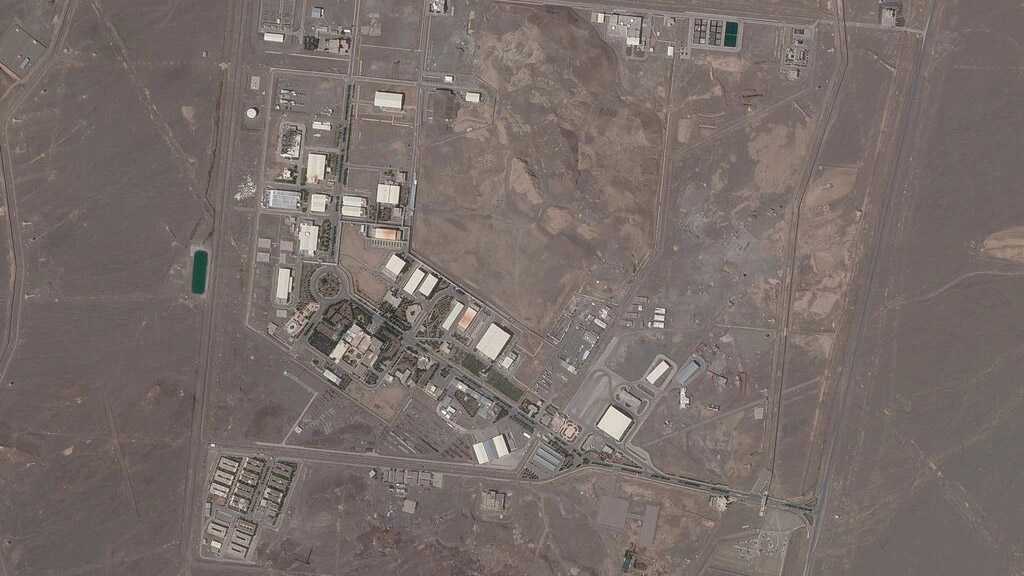
A new report says the “Israeli” regime gave the administration of US President Joe Biden a last-minute notice before an act of sabotage that caused a power outage at Iran’s Natanz nuclear facility earlier this year.
Citing unnamed American and “Israeli” sources, the New York Times reported that former Prime Minister Benjamin Netanyahu ordered “Israeli” security officials to reduce the information that they conveyed to the US about planned operations in Iran.
On April 11, when the attack took place at Natnaz nuclear site, the “Israeli” entity’s Mossad spy agency gave the US less than two hours’ notification, far too short a time for Washington to assess the operation or ask Tel Aviv to call it off, according to the report.
“Israeli” sources said they concealed information from their American counterparts because there had been leaks regarding earlier attacks.
Senior Biden administration officials said the “Israelis” violated an unwritten agreement to inform the United States of covert operations.
After the Natanz attack, CIA director William Burns called Mossad chief Yossi Cohen, expressing concern over the snub, the report said.
Cohen claimed that the belated notification was due to operational constraints and uncertainty about when the attack would take place.
One day after the “Israeli” act of nuclear terrorism, White House press secretary Jen Psaki said Washington “was not involved in any manner.”
The US, however, has a history of collaborating with the “Israeli” entity in sabotage acts against Iran.
For example, the Stuxnet computer virus is widely believed to have been developed jointly by the United States and the entity. It was the first publicly known example of a virus being used to attack industrial machinery. It was discovered in 2010 after it was used to attack a uranium enrichment facility at Natanz, Iran.
The April attack occurred less than a week after the first talks began in the Austrian capital, Vienna, on a potential revival of the Joint Comprehensive Plan of Action [JCPOA], something the “Israeli” entity opposes.
Former US president Donald Trump abandoned the agreement and reimposed the anti-Iran sanctions that the JCPOA had lifted. He also placed additional sanctions on Iran under other pretexts not related to the nuclear case as part of the “maximum pressure” campaign.
Following a year of strategic patience, Iran resorted to its legal rights stipulated in Article 26 of the JCPOA, which grants a party the right to suspend its contractual commitments in case of non-compliance by other signatories.
Now, the Biden administration says it wants to compensate for Trump’s mistake and rejoin the accord, but it is showing an overriding propensity for maintaining some of the sanctions as a tool of pressure.
Tehran insists that all sanctions should first be removed in a verifiable manner before the Islamic Republic reverses its remedial measures.
The last-minute notification of the Natanz operation was the starkest example that the entity had changed its procedures since the Trump presidency.
For the American-“Israeli” intelligence relationship, it was another a sharp turnabout.
Few people, apart from specialists, may have heard of the JCPOA Joint Commission. That’s the group in charge of a Sisyphean task: the attempt to revive the 2015 Iran nuclear deal through a series of negotiations in Vienna.
The Iranian negotiating team was back in Vienna yesterday, led by Deputy Foreign Minister Seyed Abbas Araghchi. Shadowplay starts with the fact the Iranians negotiate with the other members of the P+1 – Russia, China, France, UK and Germany – but not directly with the US.
That’s quite something: after all, it was the Trump administration that blew up the JCPOA. There is an American delegation in Vienna, but they only talk with the Europeans.
Shadowplay goes turbo when every Viennese coffee table knows about Tehran’s red lines: either it’s back to the original JCPOA as it was agreed in Vienna in 2015 and then ratified by the UN Security Council, or nothing.
Araghchi, mild-mannered and polite, has had to go on the record once again to stress that Tehran will leave if the talks veer towards “bullying”, time wasting or even a step-by-step ballroom dance, which is time wasting under different terminology.
Neither flat out optimistic nor pessimistic, he remains, let’s say, cautiously upbeat, at least in public: “We are not disappointed and we will do our job. Our positions are very clear and firm. The sanctions must be lifted, verified and then Iran must return to its commitments.”
So, at least in the thesis, the debate is still on. Araghchi: “There are two types of U.S. sanctions against Iran. First, categorized or so-called divisional sanctions, such as oil, banking and insurance, shipping, petrochemical, building and automobile sanctions, and second, sanctions against real and legal individuals.”
“Second” is the key issue. There’s absolutely no guarantee the US Congress will lift most or at least a significant part of these sanctions.
Everyone in Washington knows it – and the American delegation knows it.
When the Foreign Ministry in Tehran, for instance, says that 60% or 70% has been agreed upon, that’s code for lifting of divisional sanctions. When it comes to “second”, Araghchi has to be evasive: “There are complex issues in this area that we are examining”.
Now compare it with the assessment of informed Iranian insiders in Washington such as nuclear policy expert Seyed Hossein Mousavian: they’re more like pessimistic realists.
That takes into consideration the non-negotiable red lines established by Supreme Leader Ayatollah Khamenei himself. Plus non-stop pressure by Israel, Saudi Arabia and the UAE, who are all JCPOA-adverse.
But then there’s extra shadowplay. Israeli intel has already notified the security cabinet that a deal most certainly will be reached in Vienna. After all, the narrative of a successful deal is already being constructed as a foreign policy victory by the Biden-Harris administration – or, as cynics prefer, Obama-Biden 3.0.
Meanwhile, Iranian diplomacy remains on overdrive. Foreign Minister Javad Zarif is visiting Qatar and Iraq, and has already met with the Emir of Qatar, Sheikh Tamim al Thani.
Iranian President Hassan Rouhani, virtually at the end of his term before the June presidential elections, always goes back to the same point: no more US sanctions; Iran’s verification; then Iran will return to its “nuclear obligations”.
The Foreign Ministry has even released a quite detailed fact sheet once again stressing the need to remove “all sanctions imposed, re-imposed and re-labeled since January 20, 2017”.
The window of opportunity for a deal won’t last long. Hardliners in Tehran couldn’t care less. At least 80% of Tehran members of Parliament are now hardliners. The next President most certainly will be a hardliner. Team Rouhani’s efforts have been branded a failure since the onset of Trump’s “maximum pressure” campaign. Hardliners are already in post-JCPOA mode.
That fateful Fateh
What none of the actors in the shadowplay can admit is that the revival of the JCPOA pales compared to the real issue: the power of Iranian missiles.
In the original 2015 negotiations in Vienna – follow them in my Persian Miniatures e-book – Obama-Biden 2.0 did everything in their power to include missiles in the deal.
Every grain of sand in the Negev desert knows that Israel will go no holds barred to retain its nuclear weapon primacy in the Middle East. Via a spectacular kabuki, the fact that Israel is a nuclear power happens to remain “invisible” to most of world public opinion.
While Khamenei has issued a fatwa clearly stating that producing, stockpiling and using weapons of mass destruction – nuclear included – is haram (banned by Islam), Israel’s leadership feels free to order stunts such as the sabotage via Mossad of the (civilian) Iranian nuclear complex at Natanz.
The head of Iran’s Parliament Energy Committee, Fereydoun Abbasi Davani, even accused Washington and London of being accomplices to the sabotage of Natanz, as they arguably supplied intel to Tel Aviv.
Yet now a lone missile is literally exploding a great deal of the shadowplay.
On April 22, in the dead of night before dawn, a Syrian missile exploded only 30 km away from the ultra-sensitive Israeli nuclear reactor of Dimona. The official – and insistent – Israeli spin: this was an “errant”.
Well, not really.
Here – third video from the top – is footage of the quite significant explosion. Also significantly, Tel Aviv remained absolutely mum when it comes to offering a missile proof of ID. Was it an old Soviet 1967 SA-5? Or, rather more likely, a 2012 Iranian Fateh-110 short range surface-to-surface, manufactured in Syria as the M-600, and also possessed by Hezbollah?
A Fateh family tree can be seen in the attached chart. The inestimable Elijah Magnier has posed some very good questions about the Dimona near-hit. I complemented it with a quite enlightening discussion with physicists, with input by a military intel expert.
The Fateh-110 operates as a classic ballistic missile, until the moment the warhead starts maneuvering to evade ABM defenses. Precision is up to 10 meters, nominally 6 meters. So it hit exactly where it was supposed to hit. Israel officially confirmed that the missile was not intercepted – after a trajectory of roughly 266 km.
This opens a brand new can of worms. It implies that the performance of the much hyped and recently upgraded Iron Dome is far from stellar – and talk about an euphemism. The Fateh flew so low that Iron Dome could not identify it.
The inevitable conclusion is this was a message/warning combo. From Damascus. With a personal stamp from Bashar al-Assad, who had to clear such a sensitive missile launch. A message/warning delivered via Iranian missile technology fully available to the Axis of Resistance – proving that regional actors have serious stealth capability.
It’s crucial to remember that when Tehran dispatched a volley of deliberately older Fateh-313 versions at the US base Ayn al-Assad in Iraq, as a response to the assassination of Gen Soleimani in January 2020, the American radars went blank.
Iranian missile technology as top strategic deterrence. Now that’s the shadowplay that turns Vienna into a sideshow.
ارتفع منسوب القلق في كيان العدو الصهيوني، مع توارد الأنباء عن قرب توصل مفاوضات فيينا الى اتفاق على العودة المتزامنة من قبل الولايات المتحدة والجمهورية الإسلامية الإيرانية إلى الالتزام بالاتفاق النووي كما نص عليه عام 2015، وهي الصيغة التي يجري وضع اللمسات الأخيرة عليها وتقضي بأن تقوم واشنطن برفع كلّ العقوبات عن إيران والعودة إلى الالتزام بالاتفاق وتأكد طهران من هذا الالتزام، وفي المقابل تقوم إيران بالعودة عن خطواتها التي اتخذتها بالتخلي عن التزاماتها بموجب الاتفاق، انْ لناحية وقف التخصيب بنسبة 60 بالمئة والعودة إلى التزام نسبة 3,67 بالمئة، أو لناحية السماح لمفتشي وكالة الطاقة الدولية بالعودة الى ممارسة عملهم في مراقبة البرنامج النووي.
هذا التطور أحدث صدمة وقلقاً داخل كيان الاحتلال الصهيوني، وأثار انقساماً في اجتماع الكابينيت، المجلس الوزاري المصغر، حول طريقة التعامل مع هذا التطور الذي اعتبر «إسرائيلياً» بأنه يشكل تنازلاً أميركياً أمام إيران، يلحق الضرر بـ «إسرائيل» وحلفائها من بعض الحكومات العربية… ولهذا حذّرت مجموعة كبيرة من المسؤولين السابقين في الاستخبارات «الإسرائيلية» والجيش وهيئات إنفاذ القانون، بايدن من التسرّع في إبرام اتفاق نووي مع إيران.
المجموعة التي ضمّت 2000 مسؤول رفيع المستوى، قالت في رسالة إلى بايدن، إنّ «التسرّع في التفاوض مع إيران يعرّض «إسرائيل» وحلفاءها العرب الجدد للخطر بشكل مباشر».
وأفاد موقع «واشنطن فري بيكون» أنّ الرسالة التي صاغها «منتدى الدفاع والأمن الإسرائيلي»، تُعدّ إشارة واضحة على أنّ «إسرائيل» وحلفاءها العرب في المنطقة متحدون في معارضة جهود إدارة بايدن للانضمام مرة أخرى إلى الاتفاق النووي. واعتبروا أنّ الاتفاق النووي الإيراني معيب ويعد تهديداً مباشراً للاستقرار الإقليمي…
لكن الأسئلة التي تطرح في هذا السياق هي:
أولاً، لماذا قرّرت واشنطن العودة إلى الاتفاق النووي كما وقع عام 2015 طالما انه يشكل ضرراً لحلفاء أميركا في المنطقة وفي المقدمة الكيان الصهيوني؟
وثانياً، لماذا يعتبر المسؤولون الصهاينة عودة العمل بالاتفاق النووي يلحق ضرراً بالكيان الصهيوني وحلفائه من الأنظمة العربية؟
وثالثاً، ما هي النتائج التي ستترتب على التوصل لهذا الاتفاق وفق الشروط الإيرانية؟
أ ـ انّ قرار إدارة الرئيس الأميركي جو بايدن العودة إلى الاتفاق النووي وقبول شروط إيران برفع كامل العقوبات بالتزامن مع عودة طهران للالتزام بالمثل بنصوص الاتفاق، حسب الأنباء الواردة من مفاوضات فيينا، لم يكن ليتمّ لو كان لدى الإدارة خيارات أخرى أفضل… بل انّ واشنطن تقدم على التراجع أمام ايران، حسب ما يرشح من مفاوضات فيينا، نتيجة انسداد الخيارات الأخرى أمامها ووصولها إلى قناعة بأنّ خيار العودة إلى الاتفاق وعدم الاستمرار في محاولات الضغط لتعديله أو تجزئة رفع العقوبات المفروضة على إيران، إنما يشكل أقلّ الخيارات سوءاً بالنسبة للسياسة الأميركية… لماذا؟
لأنّ خيار مواصلة سياسة الحصار والعقوبات لم يعد يجدي نفعاً بعد أن نجحت إيران في إجهاض أهداف الحصار، من خلال :اعتماد سياسات اقتصادية تنموية عزّزت…ـ الاكتفاء الذاتي… وإقامة علاقات اقتصادية مع دول ترفض سياسة الهيمنة الأميركية، لا سيما روسيا والصين، والتي كان آخرها الاتفاقية الاستراتيجية بين طهران وبكين والتي شكلت ضربة موجعة لسياسة الهيمنة الأميركية وأسقطت الحصار الأميركي على إيران بالضربة القاضية كونها أمّنت لإيران تصدير نفطها بكميات كبيرة ومنتظَمة على مدى 25 سنة واستثمارات صينية في شتى المجالات تناهز الـ 450 مليار دولار، هذا إلى جانب توطيد علاقات التنسيق والتعاون الاقتصادي والأمني مع روسيا وإقامة علاقات اقتصادية مع دول جمهوريات آسيا الوسطى لا سيما، دول جوار بحر قزوين مما أدّى إلى تحرّر إيران من تأثير العلاقات مع الغرب، وأوجد بدائل جديدة تجعل طهران قادرة على تأمين احتياجاتها وتصدير منتجاتها من دون الخضوع للابتزاز الذي تمارسه الدول الغربية…
أما الخيار العسكري فإنّ إدارة بايدن تدرك جيداً بأنه محفوف بالمخاطر الكبيرة على الوجود والمصالح الأميركية في المنطقة وعلى أمن الكيان الصهيوني… بسبب القدرات العسكرية الرادعة التي تملكها إيران وحلفائها في محور المقاومة…
في حين انّ خيار الحرب الأمنية غير المباشرة لتعطيل البرنامج النووي الإيراني لإضعاف موقف طهران وفرض الشروط عليها، لم يحقق أهدافه، بل أدّى إلى نتائج عكسية، حيث ردّت إيران على الهجوم الصهيوني التخريبي الذي استهدف مفاعل «نطنز»، بالعمل سريعاً على وضع جيل جديد متطوّر من أجهزة الطرد المركزي بدلاً من الأجهزة التي تضرّرت، ورفع نسبة تخصيب اليورانيوم من 20 بالمئة إلى 60 بالمئة مما عكس جاهزية إيران للمواجهة ونجاحها في تطوير قدراتها النووية وامتلاكها الاحتياطات اللازمة للتصدي لأيّ استهدافات أمنية للبرنامج النووي… وكان من الطبيعي أن يؤدّي هذا النجاح الإيراني إلى تعزيز موقف إيران ورفع سقف وشروط التفاوض من قبلها مع مجموعة 4 + 1 من ناحية، وانسداد أيّ أفق أمام واشنطن لتحسين شروط عودتها إلى الالتزام بالاتفاق النووي من ناحية ثانية… وبالتالي اضطرارها إلى التراجع وإبداء المرونة أمام إيران بالتخلي عن الرهان لتعديل شروط العودة للاتفاق والقبول بالعودة المتزامنة غير المشروطة المقرونة برفع العقوبات دفعة واحدة كما تطالب طهران…
ب ـ انّ قلق المسؤولين الصهانية من عودة واشنطن إلى الاتفاق النووي بالشروط التي ترضى إيران، إنما مردّه إلى جملة أسباب:
السبب الأول، إدراك تل أبيب بأنّ الجمهورية الإسلامية الإيرانية ستحقق انتصاراً جديداً في معركتها لتكريس استقلالها والحفاظ على برنامجها النووي والحصول على المنافع الاقتصادية التي ينص عليها الاتفاق من دون إدخال أيّ تعديلات على الاتفاق سعت إليها حكومة بنيامين نتنياهو دون جدوى.. وهذا يعني أنّ إيران الثورة ستصبح في وضع أقوى داخلياً وخارجياً حيث سيتحسّن الوضع الاقتصادي الإيراني بشكل كبير وينعكس ذلك بتحسين قيمة العملة الإيرانية وبالتالي تحسّن الوضعين الاجتماعي والمعيشي للشعب الإيراني الأمر الذي يزيد من التفافه حول قيادته، ويضعف الجهات المرتبطة بالخارج التي كانت تسعى الى استغلال الضائقة الاقتصادية نتيجة الحصار لتأليب الناس ضدّ نظام الجمهورية الإسلامية… ومن الطبيعي انّ تَحسّن الوضع الاقتصادي ومستوى معيشة الشعب سوف ينعكس بتعزيز موقف إيران السياسي واستطراداً دورها على الساحتين الإقليمية والدولية…
السبب الثاني، إدراك المسؤولين الصهيانية أنّ تنامي قوة إيران الاقتصادية واستعادتها لوارداتها النفطية، والاستثمارات الخارجية التي ستحصل في إيران، وارتفاع معدلات النمو في الاقتصاد والدخل على حدّ سواء، سوف تمكن إيران من زيادة قدراتها على دعم حلفائها في محور المقاومة، مما يقوّي من قدراتهم في مواجهة قوى الإرهاب المدعومة أميركياً، ومن الاحتلال الصهيوني…
السبب الثالث، قلق الصهاينة من التحوّل الذي ستحدثه عودة واشنطن إلى الاتفاق النووي بالشروط الإيرانية، على صعيد موازين القوى الإقليمية، في مصلحة المحور المناهض للهيمنة الأميركية، على حساب المحور الموالي لهذه الهيمنة والذي يضمّ الكيان الصهيوني وحلفاءه من الأنظمة الرجعية التابعة والتي بات يرتبط بعضها باتفاقيات مع كيان العدو… مما يضعف هذه الأنظمة ويجعلها مضطرة إلى التوقف عن مواصلة سياسة العداء لإيران والبحث عن سبل تطبيع العلاقات معها، وفي هذا السياق يمكن وضع الأنباء التي تحدّثت عن بدء حوار سعودي إيراني برعاية عراقية.. والذي تزامن مع الأنباء عن قرب التوصل إلى اتفاق في فيبنا لإعادة العمل بالاتفاق النووي… وتفاقم المأزق السعودي في اليمن بفعل نجاح المقاومة اليمنية في مواصلة توجيه ضربات موجعة القواعد والمنشآت الحيوية العسكرية والنفطية في قلب المملكة.
ج ـ انّ إنجاز الاتفاق بالشروط الإيرانية المدعومة روسياً وصينياً، سوف يكرّس المعادلات الجديدة على الصعيد العالمي، والتي تأتي نتيجة فشل الحروب الأميركية في تحقيق أهدافها لناحية إضعاف إيران وإسقاط الدولة الوطنية السورية والقضاء على قوى المقاومة وإعادة إخضاع العراق للهيمنة الأميركية، وصولاً إلى عزل إيران والعمل على تطويعها، ومحاصرة روسيا والصين، وإحباط تطلعاتهما لإقامة نظام دولي متعدّد الأقطاب…
انّ إخفاق الحروب الأميركية وفشل أهدافها المذكورة، أدّى إلى خروج دول وقوى محور المقاومة أكثر قوّة وقدرة، والى تعزيز قوة إيران السند الأساسي لهذا المحور، وعودة روسيا بقوة إلى الساحة الدولية كلاعب أساسي انطلاقاً من انتصار سورية ومساهمتها في هذا الانتصار في مواجهة الحرب الإرهابية الكونية التي شنّتها أميركا بوساطة جيوش الإرهاب القاعدي والداعشي…
انّ هذا التحوّل سوف يجعل الكيان الصهيوني محاصراً ببيئة استراتيجية جديدة من محور المقاومة الممتدّ من لبنان مروراً بسورية والعراق وغزة واليمن وصولاً إلى إيران، فيما الولايات المتحدة الداعم الأول للكيان الصهيوني تتراجع هيمنتها في المنطقة وعلى الصعيد الدولي ولم تعد قادرة على شنّ حروب جديدة فيما هي تنسحب مهزومة من أفغانستان بعد أطول حرب خاضتها… واستطراداً فإنّ هذا التحوّل سوف ينعكس بتعزيز موقف روسيا والصين في السعي الى إقامة نظام عالمي جديد يقوم على التعددية القطبية بديلاً عن نظام الهيمنة الأميركي الأحادي القطب.. الذي لم يعد ينسجم مع موازين القوى الجديدة في العالم…
The level of concern in the Zionist entity has risen, with reports that the Vienna negotiations have reached an agreement on the simultaneous return by the United States and the Islamic Republic of Iran to compliance with the nuclear agreement as stipulated in 2015, a formula that is being finalized and requires Washington to lift all sanctions on Iran and return to compliance In return, Iran is backing away from its steps to abandon its commitments under the agreement, with a 60 percent suspension of enrichment and a return to a 3.67 percent commitment, or allowing IAEA inspectors to return to their work monitoring the nuclear program.
This development caused shock and anxiety within the Zionist occupation entity, and sparked a split in the meeting of the cabinet, the mini-ministerial council, on how to deal with this development, which considered “Israeli” as a U.S. concession to Iran, hurting Israel and its Arab allies. That’s why a large group of former Israeli intelligence, military and law enforcement officials warned Biden not to rush into a nuclear deal with Iran.
The group of 2,000 senior officials said in a letter to Biden that “rushing to negotiate with Iran directly puts Israel and its new Arab allies at risk.”
According to the Washington Free Beacon, the letter, drafted by the Israel Defense and Security Forum, is a clear indication that Israel and its Arab allies in the region are united in opposing the Biden administration’s efforts to rejoin the nuclear deal. They considered the Iran nuclear deal flawed and a direct threat to regional stability…
But the questions asked in this contextare:
First, why did Washington decide to return to the nuclear deal as it signed in 2015 as long as it is harmful to America’s allies in the region and at the forefront of the Zionist entity?
Secondly, why do Zionist officials consider the return of the nuclear agreement to harm the Zionist entity and its Arab regime allies?
Thirdly, what are the consequences of reaching this agreement in accordance with Iranian conditions?
A: U.S. President Joe Biden’s administration’s decision to return to the nuclear deal and accept Iran’s terms of lifting all sanctions in conjunction with Tehran’s return to similar compliance with the terms of the agreement, according to reports from the Vienna negotiations, would not have been possible if the administration had other better options… Washington is even pushing back against Iran, as nominated from the Vienna negotiations, as a result of the blockage of other options before it and its conviction that the option of returning to the agreement and not continuing to try to pressure it to amend it or fragment the lifting of sanctions against Iran is the least bad option for U.S. policy… But why?
Because the option of continuing the policy of embargoes and sanctions no longer works after Iran succeeded in aborting the objectives of the embargo, by: Adoption of economic and development policies that have strengthened…- self-sufficiency, and the establishment of economic relations with countries that reject the policy of American hegemony, especially Russia and China, the latest of which was the strategic agreement between Tehran and Beijing, which constituted a painful blow to the US policy of hegemony and brought down the American blockade on Iran by a knockout because it has secured Iran to export its oil in large and regular quantities over a period of 25 years, and Chinese investments in various fields amounted to about 450 billion dollars, in addition to strengthening coordination relations and economic and security cooperation with Russia and establishing economic relations with the countries of the Central Asian republics, particularly the Caspian neighbors, which led to Iran’s liberation from the influence of relations with the West, and created new alternatives that would make Tehran able to secure its needs and export its products without being subject to blackmail by Western countries…
As for the military option, the Biden administration is well aware that it is too risky for U.S. presence and interests in the region and for the security of the Zionist entity, because of the deterrent military capabilities of Iran and its allies, while the option of indirect security war to disrupt Iran’s nuclear program to weaken Tehran’s position and impose conditions on it, did not achieve its objectives, but backfired, as Iran responded to the Zionist sabotage attack on the Natanz reactor, working quickly to develop a new generation of centrifuges instead of damaged devices, and raising uranium enrichment from 20 percent to 60 percent, reflecting Iran’s readiness to confront and its success in developing its nuclear capabilities and having the necessary precautions to counter any security targets of the nuclear program. It was only natural that this Iranian success would strengthen Iran’s position and raise the ceiling and conditions of its negotiations with the 4+1 group on the one hand, and block any horizon for Washington to improve the terms of its return to compliance with the nuclear agreement on the other. Thus, it has to back down and show flexibility for Iran to give up the bet to amend the terms of the return of the agreement and accept the simultaneous unconditional return coupled with the lifting of sanctions at once, as Tehran demands.
B:. The concern of Zionist officials about Washington’s return to the nuclear deal on the terms that satisfy Iran is due to a number of reasons:
The first reason is Tel Aviv’s realization that the Islamic Republic of Iran will achieve a new victory in its battle to consolidate its independence, maintain its nuclear program and obtain the economic benefits provided for by the agreement without any amendments to the agreement. This means that Iran revolution will become in a stronger situation internally and externally where the Iranian economic situation will improve significantly and this is reflected in the improvement of the value of the Iranian currency and thus improve the social and living situation of the Iranian people, which increases its rallying around his leadership, and weakens those associated abroad who were seeking to exploit the economic hardship as a result of the embargo to turn people against the regime of the Islamic Republic… It is natural that the improvement of the economic situation and the standard of living of the people will be reflected in strengthening Iran’s political position and increasing its role on the regional and international arenas.
The second reason, Zionist officials realize that Iran’s growing economic strength and recovery of its oil imports, foreign investment in Iran, and high growth rates in both the economy and income, will enable Iran to increase its capabilities to support its allies in the axis of resistance, strengthening their capabilities in the face of U.S.-backed terrorist forces, and the Zionist occupation…
The third reason, the Zionists are concerned about the transformation that Washington’s return to the nuclear agreement on Iranian terms will bring, in terms of regional power balances, in the interest of the anti-American axis, at the expense of the axis loyal to this hegemony, which includes the Zionist entity and its reactionary allies, some of which are now linked to agreements with the enemy entity… Weakening these regimes will forces them to stop hostility and look for ways to normalize relations with Iran, and in this context the news of the start of a Saudi-Iranian dialogue under Iraqi auspices which coincided with the news that an agreement was reached in Vienna to reintroduce the nuclear agreement. Moreover the Saudi impasse in Yemen has been exacerbated by the success of the Yemeni resistance in continuing to strike vital military and oil bases and facilities in the heart of the kingdom.
C:. Achieving of the agreement on Iranian terms backed by Russia and China will perpetuate the new equations globally, as a result of the failure of the U.S. wars to achieve their goals in terms of weakening Iran, overthrowing the Syrian national state, eliminating the forces of resistance and re-subjecting Iraq to American hegemony, leading to isolating Iran, the main support of resistance axis, and besieging Russia and China, and thwarting their aspirations to establish a multipolar international order.
The failure of the American wars and the failure of their aforementioned goals led to the strengthening Iran, and the emergence of the countries and forces of the axis of resistance more powerful and capable, and to the strong return of Russia to the international arena as a key player based on the victory of Syria and its contribution to this victory in the face of the global terrorist war that America launched it through the armies of al Qaeda and ISIS terrorism
This transformation will make the Zionist entity besieged by a new strategic environment from the axis of resistance extending from Lebanon through Syria, Iraq, Gaza and Yemen to Iran, while the United States, the first supporter of the Zionist entity, is retreating its hegemony in the region and internationally and is no longer able to wage new wars as it withdraws defeated from Afghanistan after the longest war it has fought… Furthermore, this shift will be reflected in strengthening Russia and China’s position in seeking a new multipolar world order as an alternative to America’s unipolar hegemony.
استؤنفت مفاوضات فيينا بين إيران ومجموعة 4+1 التي تتمحور حول شروط ز العودة إلى الالتزام بالاتفاق النووي… في ظلّ تعزّز أوراق القوة الإيرانية التيادت من قوة وموقف المفاوض الإيراني من جهة، وأضعفت القدرة الأميركية الأوروبية في التأثير على موقف طهران من جهة ثانية.. حتى أن المراقب للمشهد يلحظ بوضوح ان واشنطن وحلفائها لم يعد لديهم من خيار سوى التراجع أمام إيران وقبول الصيغة التي ترضى بها للعودة إلى الالتزام بالاتفاق النووي، إذا كانوا يريدون الحفاظ على الاتفاق والحيلولة دون انهياره سقوطه.
لماذا نخلص إلى هذا الاستنتاج؟
انّ أيّ مدقق في التطورات التي سبقت استئناف مفاوضات فيينا يتبيّن له أنّ هذه الجولة، قد سبقتها مواجهة حامية بين إيران وكيان الاحتلال الصهيوني ومن ورائه الولايات المتحدة والدول الأوروبية، في محاولة مستميتة لإضعاف الموقف الإيراني التفاوضي الذي تميّز بالثبات والصلابة في الجولة الأولى من المفاوضات في مواجهة محاولات واشنطن فرض شروطها على إيران للعودة إلى الاتفاق النووي الذي انسحبت منه، وهي شروط ترفضها طهران التي تصرّ على قيام واشنطن أولاً برفع كلّ العقوبات دفعة واحدة دون ايّ تجزئة، والتأكد عملياً من رفع العقوبات، وتعويض إيران عن الأضرار التي ألحقتها العقوبات بالاقتصاد الإيراني.. عندها فقط تقرر إيران التخلي عن كلّ الخطوات التي اتخذتها بخفض التزاماتها بالاتفاق، وتعود إلى العمل به…
محاولة التأثير على الموقف الإيراني تمثلت في الاعتداءات التي قام بها العدو الصهيوني، بداية باغتيال الموساد للعالم النووي الإيراني فخري زادة، ومن ثم استهداف سفن تجارية إيرانية في المياه الدولية، وصولاً إلى عملية التخريب التي استهدفت أخيراً مفاعل «نطنز» في أصفهان، في محاولة لإلحاق أضرار جسيمة في البرنامج النووي، وبالتالي توجيه ضربة موجعة لجهود إيران في تطوير عمليات تخصيب اليورانيوم وزيادة نسبتها.. وقد جرى توقيت هذا الاعتداء على «نطنز» عشية استئناف مفاوضات فيينا لأجل إضعاف موقف إيران التفاوضي، وجعلها تبدي المرونة اتجاه الشروط الأميركية..
غير أنّ حساب الحقل الأميركي “الإسرائيلي” الغربي لم يتطابق مع حساب البيدر.. نتائج هذه الاعتداءات كانت مخيّبة تماماً لما أرادته عواصم العدوان، حيث جاء الردّ الإيراني قوياً على الرؤوس الصهيونية والأميركية الحامية، وأدّى إلى إصابتها بصدمة وصاعقة مدوية.. وتجلى هذا الردّ الإيراني في المستويات التالية:
مستوى أول، الردّ سريعاً بوضع أجهزة طرد مركزية جديدة أكثر تطوّراً من تلك التي تعرّضت لأضرار نتيجة الاعتداء الصهيوني على مفاعل “نطنز”، واتخاذ قرار برفع نسبة التخصيب إلى 60 بالمئة دفعة واحدة وهو ما عكس الجاهزية الإيرانية والتطوّر الذي أنجزته إيران على صعيد تطوير برنامجها النووي وانّ أيّ اعتداء يستهدفه لن ينجح في وقفه أو تعطيله أو تأخيره والتأثير على عجلة استمراره…
مستوى ثان، الردّ على الاعتداء على السفينة الإيرانية بضرب سفينة صهيونية قبالة ميناء الفجيرة.. وإعلان وكالة “تسنيم” الإيرانية المسؤولية عن الهجوم في رسالة نارية إيرانية قوية لكيان العدو بجاهزية طهران للردّ والمواجهة إلى أبعد الحدود…
مستوى ثالث، استهداف مركز معلومات وعمليات خاصة تابع للموساد “الإسرائيلي” في شمال العراق بالتزامن مع استهداف السفينة الصهيونية.. وذكرت قناة “العالم” نقلاً عن مصادر، أنّ الهجوم نتج عنه مقتل وإصابة عدد من عناصر القوات “الإسرائيلية”. ووصفت المصادر استهداف مركز المعلومات للموساد بأنه “ضربة جدية لإسرائيل”.
وذكر موقع “إنتل سكاي” المتخصص بمراقبة حركة الطيران والملفات العسكرية والمدنية، أنه تمّ توثيق عملية استهداف مركز المعلومات والعمليات الخاصة التابع للموساد، مشيراً إلى أنّ صور العملية ستنشر قريباً.
هذا الردّ الإيراني المتعدّد الأشكال، والصدمة التي أصابت المسؤولين الصهاينة والأميركيين والأوروبيين، خصوصاً إزاء إعلان إيران رفع نسبة التخصيب في “نطنز” إلى 60 في المئة، دفعهم إلى اتخاذ قرار بالتهدئة ووقف التصعيد والضغط على المسؤولين الإسرائيليين بعدم الردّ على استهداف السفينة “الإسرائيلية” ووقف التصعيد.. وهو ما أكدته صحيفة “نيويورك تايمز” الأميركية نقلاً عن مسؤول “إسرائيلي”.
انطلاقاً من ذلك فإنّ إدارة بايدن باتت خياراتها محدودة جداً، أمام تزايد قوة الموقف الإيراني التفاوضي… فهي إما تقبل بشروط إيران للعودة إلى الاتفاق النووي، أو مواجهة انهيار وسقوط الاتفاق، لأنّ واشنطن فقدت ورقة القوة المتبقية لديها للضغط على إيران وهي ورقة الحصار الاقتصادي، وذلك بعد توقيع طهران وبكين اتفاقية التعاون الاستراتيجي ببن البلدين والتي شكلت ضربة قاصمة للحصار الأميركي من ناحية، وأطلقت رصاصة الرحمة على مشروع الهيمنة الأميركي المتداعي من ناحية ثانية…
هكذا فقد عزز الاتفاق الإيراني الصيني معطوفاً على العلاقات الاستراتيجية الإيرانية الروسية… موقف إيران في إحباط الضغوط الأميركية وجعل العقوبات غير ذات تأثير على إيران.. ولهذا باتت واشنطن في موقف ضعيف في مواجهة الموقف الإيراني الذي أصبح أكثر قوة.
انّ تحرّر إيران من ايّ ضغط اقتصادي، وعلاقات اقتصادية مع الغرب من خلال الاتفاقية الإستراتيجية مع الصين للتعاون الاقتصادي بين البلدين والعلاقات الاقتصادية والأمنية المتطورة مع روسيا، واستعداد إيران لتصبح عضواً كاملاً في منظمة شنغهاي.. وامتلاك إيران قدرة الردع والدفاع عن سيادتها واستقلالها، يضع واشنطن أمام خيار وحيد وهو النزول عن أعلى الشجرة والتخلي عن عنجهيتها وقبول شروط إيران للعودة إلى الاتفاق النووي..
او أنّ إيران ستواصل خطوات خفض التزاماتها وتطوير برنامجها النووي ورفع نسب التخصيب إلى نسبة ال 90 بالمئة، وهي النسبة التي تمكنها من امتلاك كامل القدرة النووية للأغراض السلمية ودخول كلّ مجالات الصناعة النووية.. من دون أن تملك واشنطن ايّ قدرة في منع إيران من تحقيق ذلك أو التأثير على قرارها الذي بات محصّناً بكلّ عناصر القوة..
من هنا فإنّ إدارة بايدن ليس أمامها من خيارات، بعد أن صبح هامش المناورة لديها محدوداً جداً.. فالزمن لا يعمل لمصلحتها، وقدرتها في التأثير على الداخل الإيراني أصبحت ضعيفة جداً بعد نجاح إيران في إسقاط أهداف الحصار وإجهاضه.
Vienna negotiations between Iran and the 4+1 group, which revolve around the terms of a return to compliance with the nuclear agreement, have resumed… Iran’s strength sheets have strengthened the Iranian negotiator’s strength and position on the one hand, and weakened U.S.-European ability to influence Tehran’s position on the other. The observer of the scene even clearly notes that Washington and its allies have no choice but to back down against Iran and accept the formula it accepts to return to compliance with the nuclear agreement, if they want to maintain the agreement and prevent its collapse.
Why do we come to this conclusion?
Any scrutiny of the developments leading up to the resumption of the Vienna negotiations shows that this round was preceded by a fierce confrontation between Iran and the Zionist occupation entity, including the United States and European countries, in a desperate attempt to weaken Iran’s negotiating position, which was characterized by stability and solidity in the first round of The negotiations are in the face of Washington’s attempts to impose its conditions on Iran to return to the nuclear deal from which it withdrew, conditions rejected by Tehran, which insists that Washington first lift all sanctions at once without any fragmentation, make sure that sanctions are lifted, and compensate Iran for the damage done by the sanctions to the Iranian economy. Only then will Iran decide to abandon all the steps it has taken by reducing its commitments to the agreement, and return to its work…
The attempt to influence Iran’s position was the attacks carried out by the Zionist enemy, beginning with Mossad’s assassination of Iranian nuclear scientist Fakhrizadeh, and then targeting Iranian merchant ships in international waters, and to the sabotage that finally targeted the Natanz reactor in Isfahan, to cause serious damage to the nuclear program, thereby severely damaging Iran’s efforts to develop and increase its proportion. The attack on Natanz was timed on the eve of the resumption of Vienna negotiations to weaken Iran’s negotiating position and make it show flexibility toward U.S. conditions.
However, the results of these attacks were completely disappointing for what the capitals wanted, as the Iranian response came strong against the Zionist and American hot heads, which led to their shock and a thunderbolt .. This Iranian response was manifested in the following levels:
First level, the rapid response to the development of new centrifuges more sophisticated than those damaged because of the Zionist attack on the Natanz reactor, and the decision to raise the enrichment rate to 60 percent at once, which reflected Iran’s readiness and the development achieved by Iran in the development of its nuclear program and that any attack targeting it will not succeed in stopping, disabling, or delaying it and affecting the wheel of its continuation…
The second level is the response to the attack on the Iranian ship by striking a Zionist ship off the port of Fujairah … and the Iranian “Tasnim” agency claiming responsibility for the attack in a strong Iranian fiery message to the enemy entity that Tehran is ready to respond and confront to the utmost limits …
A third level, targeting an Information and Special Operations Center of the “Israeli” Mossad in northern Iraq in conjunction with the targeting of the Zionist ship. Al-Alam tv, citing sources, reported that the attack resulted in the death and injury of several members of the “Israeli” forces. The sources described the targeting of Mossad information center as a “serious blow to Israel.”
According to intel sky website, which specializes in monitoring air traffic and military and civilian files, the targeting of Mossad’s Information and Special Operations Center has been documented, noting that images of the operation will be published soon.
Iran’s multifaceted response, and the shock to Zionist, U.S., and European officials, particularly over Iran’s announcement to raise nutans’s enrichment rate to 60 percent, prompted them to take a decision to calm down, de-escalate and pressure Israeli officials not to respond to the targeting of the “Israeli” ship and de-escalation. This was confirmed by the New York Times, quoting an “Israeli” official.
Accordingly, the Biden administration has become very limited in the face of the growing strength of Iran’s negotiating position… It either accepts Iran’s terms to return to the nuclear deal, or faces the collapse and fall of the agreement, because Washington lost its remaining strength paper to put pressure on Iran, the economic blockade paper, after Tehran and Beijing signed the strategic cooperation agreement between the two countries, which was a severe blow to the U.S. blockade on the one hand, and fired a mercy bullet at the crumbling U.S. hegemony project on the other…
The Iran-China agreement has thus strengthened Iran-Russia strategic relations… Iran’s position in thwarting U.S. pressure and making sanctions have no impact on Iran. That’s why Washington is in a weak position in the face of Iran’s position, which has become stronger.
To free Iran from any economic pressure, economic relations with the West through the strategic agreement with China for economic cooperation between the two countries and advanced economic and security relations with Russia, and Iran’s readiness to become a full member of the Shanghai Organization. Iran’s deterrence and defense of its sovereignty and independence puts Washington at the sole choice of getting off the top of the tree, abandoning its arrogance and accepting Iran’s terms for a return to the nuclear deal.
Or Iran will continue to step down its commitments, develop its nuclear program and raise enrichment rates to 90 percent, which will enable it to have the full nuclear capability for peaceful purposes and enter all areas of the nuclear industry. Without Washington having any ability to prevent Iran from achieving this or influencing its decision, which has become immune to all elements of force.
The Biden administration therefore has no options, as its margin of maneuver has become very limited. Time is not working for its own good, and its ability to influence Iran’s interior has become very weak after Iran’s success in dropping and aborting the targets of the embargo.
Press TV: Israel’s Mossad spy agency in Iraq has come under a deadly attack, security sources say.
Israel’s Mossad spy agency has come under attack in Iraq, security sources say, with a number of Israeli forces killed or wounded in what was described as a “heavy blow” on the Zionist regime.
Iraq’s Sabereen News, citing security sources, reported late on Tuesday that a facility affiliated with Israel’s Mossad spy agency had been attacked by “unknown resistance forces” in the north of the country.
The Iraqi media said the attack resulted in the death and injury of a “number of Israeli forces,” dealing a “heavy blow” to the regime and its spy agency.
The sources fell short of providing details on the location of the attack and the extent of damage, however, Sabereen said, “Tomorrow, we’ll share some pictures of the operation.”
Reacting to the incident, a high-ranking Iraqi military commander said in an interview with Russian TV network RT that they had not so far received any news about the attack.
Media outlets in northern Iraq have yet to comment on the attack.
The incident came hours after an Israeli ship was attacked in the Emirati port of Fujairah, causing damage but no casualties.
Israel’s Channel 12 quoted unnamed regime officials as blaming Iran for the ship attack.
The vessel, called the Hyperion and sailing under the Bahamas flag, was associated with the Israeli Ray Shipping company, the same company that owns a vessel hit by an explosion in the Sea of Oman in February.
Israeli Prime Minister Benjamin Netanyahu hastily accused at the time Iran of attacking the ship, with Iran categorically rejecting the charge.
Israeli media said the Tuesday’s attack on Hyperion was likely carried out with either a missile or a drone.
The attack followed an act of sabotage that targeted the electricity distribution network of Iran’s Shahid Mostafa Ahmadi Roshan nuclear facility in Natanz, which is a uranium enrichment center located in the city of the same name in Iran’s central province of Isfahan.‘
Iran’s Foreign Ministry spokesman Saeed Khatibzadeh told reporters on Monday that, “The appalling incident that took place in Natanz was the work of the Zionist regime (Israel), given what it was repeatedly saying before and what is still being heard from various sources these days.”
Iran said earlier this month that one of its merchant vessels has been targeted by an explosion of unknown origin in the strategic Red Sea, in the second such incident in less than a month.
The Foreign Ministry spokesman told reporters the Saviz ship was struck by the blast on April 5 near the coast of Djibouti, and sustained minor damage.
In a similar incident last month, an Iranian cargo ship was damaged after it was targeted by a terrorist attack en route to Europe in the Mediterranean Sea.
VT Editors is a General Posting account managed by Jim W. Dean and Gordon Duff. All content herein is owned and copyrighted by Jim W. Dean and Gordon Duff
The Baalroom
-
There's definitely more to this Baalroom than Zion Don is telling us. Like
the triumphal arch, it must have some significance in Jewish 'end of times'
prop...
The Jewish Spirit Of Antichrist
-
The Jewish Spirit Of Antichrist April 19 2026
___________________________________ More Vids! +BN Vids Archive! HERE!
___________________________________ Su...
Prisoners of Context Part 2
-
Prisoners of Context Part Two—An Analysis (24 March 2026) by Lawrence
Davidson Part I — Background Back in December 2023, […]
Report on Beth Israel vigil 02-21-26
-
*Vigils continue, non-stop*
Just because we don’t get Vigil Reports out at the same rate as years'
past, we remind readers that we show up every Saturday ...
-
Hello all,
It is with great sadness that I share with you the passing of our beloved
sister, Mother, and Grandmother, the individual that you all knew ...
Interest Rates Over Time [INFOGRAPHIC]
-
Some Highlights: With interest rates hovering at near historic lows, now is
a great time to look back at where they’ve been, and how much they’ve
changed...
Ikhras Endorses Muntadhar Al-Zaidi
-
“Oh parties of banditry and sectarianism and corruption, we have come and
our goal is to destroy you.” Ikhras formally endorses Muntadhar al-Zaidi,
Iraqi j...
Prince Charles: Foreign Jews behind bloodshed in ME
-
In May, 2017, British Crown Prince Charles declined an invitation from
Zionist entity’s president Reuven Rivlin‘s to attend the 100th anniversary
of the no...
Palestinian Women – One for All, All for One
-
Honouring All Palestinian Women by Honouring Three: Hanin Zoabi, Ahed
Tamimi, Samah Sabawi Vacy Vlazna “Palestinian women have always stood side
by side ...
US’s Saudi Oil Deal from Win-Win to Mega-Lose
-
By F. William Engdahl Who would’ve thought it would come to this? Certainly
not the Obama Administration, and their brilliant geo-political think-tank
neo-...
-
*Mordechai Vanunu wins human rights prize of Brazilian Press Association *
* http://www.alternativenews.org/english/index.php/features/updates/7038-mordechai...
Abdul Aziz Rantissi:
"My ultimate wish, my God, is to attain martyrdom,"...God granted him his wish on April 17, 2004, at the hands of Israeli assassins.