Showing posts with label Corruption in the Lebanon's judicial system. Show all posts

Monday, 29 November 2021

Judges protecting judges: why the Beirut blast investigation is a dud

 October 28 2021

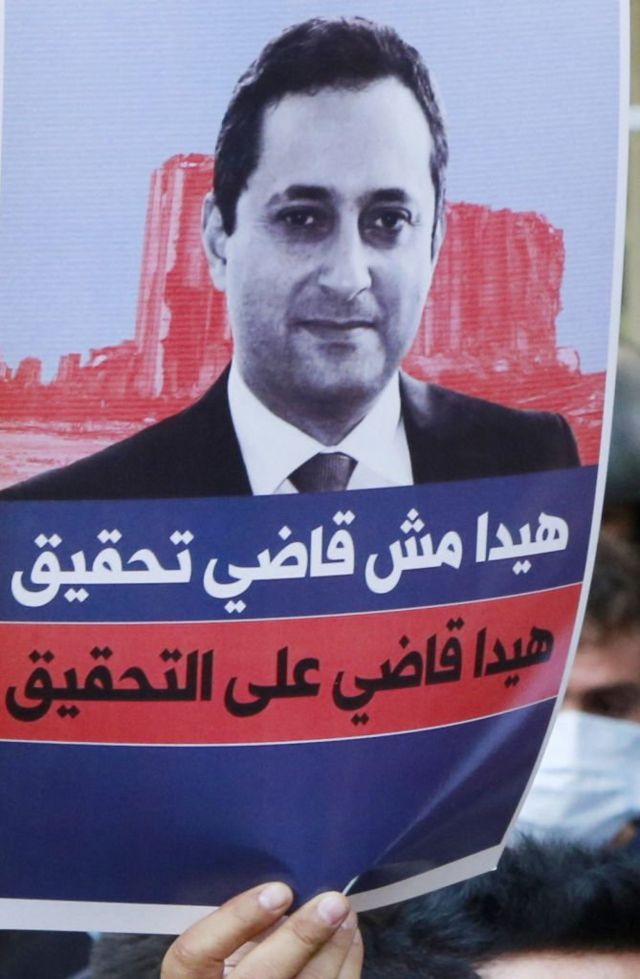
Can the Beirut blast’s lead investigator, Judge Tarek Bitar, take on his negligent colleagues? Events so far suggest he won’t.Photo Credit: The Cradle

Lead investigative Judge Tarek Bitar refuses to prosecute his judiciary colleagues who signed to unload, store, then ignore the ammonium nitrates that devastated Beirut last August.

By Radwan Mortada

The Lebanese are split on the performance of Judge Tarek al-Bitar, the lead judicial investigator in the massive 4 August Port of Beirut explosion last year.

One side blindly trusts the man, believing Bitar will spearhead the fight against Lebanon’s existing corrupt political class and discover the identities of those responsible for the deadly port blast. 

The other side views him as a foreign tool used to create sedition in Lebanon by targeting political figures critical of the US. The Lebanese resistance, Hezbollah, was the first to draw suspicion to Bitar’s performance, whose arbitrary and biased allegations seemed to target only one side of the political divide.

Hezbollah’s charges have gradually escalated over the months. When Bitar first took on the blast investigation – the second judge to do so – Hezbollah Secretary General Hassan Nasrallah urged him to publish the blast site’s technical report so it would quash unsubstantiated rumors about the group’s role in the explosion, or allegations that it stored ‘weapons’ at the Port of Beirut.

Bitar did not respond to Nasrallah’s request for transparency, however, and allowed political and media disinformation to go unchecked during a national crisis.

In one example of this, an alleged ‘witness’ named Imad Kashli appeared in a Lebanese media outlet claiming that he transported ammonium nitrate for Hezbollah from the Port of Beirut to a village in the south, in what was later discovered to be false testimony. Bitar failed to take any action against Kashli under the pretext that he was ‘sick,’ and media outlets never bothered to refute or retract the fabricated story.

Furthermore, Bitar’s political targets say the judge’s own allegations are not comprehensive, but deliberately selective. His interrogation roster focuses overwhelmingly on personalities belonging to one political affiliation, while unjustifiably excluding officials in the very same posts with opposite political views. Bitar has interrogated former Lebanese Armed Forces (LAF) Commander Jean Kawahji, for instance, while skipping over current LAF Commander Joseph Aoun, a Washington-favored army man.

U.S. Ambassador Richard Meets Army Commander General Joseph Aoun - U.S.  Embassy in Lebanon

Aoun cannot be bypassed or absolved of responsibility. The explosion happened on his watch, during his tenure. Bitar’s detractors rightly point out that the ultimate responsibility for the Beirut blast must focus on the Lebanese judiciary and the military. The former signed the papers that allowed in and continued to store tons of illegally-stored ammonium nitrate in Beirut, and the latter has the final word on any explosives inside Lebanon’s legal boundaries.

The fact that Bitar has ruled out questioning the current army leadership, most of the judges, the Ministers of Justice and Defense, and the Justice Ministry’s cases commission from has raised eyebrows, obviously. Nasrallah did not mince his words when he stated, in a recent speech, that the greatest responsibility for the 2020 calamity rests with the judges who gave permission to unload vast amounts of ammonium nitrate explosives from a foreign ship seized by Lebanese authorities, and then gave permission to store these substances in dangerous conditions inside the Port of Beirut.

Bitar’s choices lead to armed confrontations

Leaked reports in the media and from within the corridors of Lebanon’s Judiciary, instead deflected blame onto cabinet ministers and members of parliament (MPs), revealing that they would be arrested even before Bitar issued the summons. Furthermore, he has been quoted as saying that he wanted to fight, not avenge, the political class, which he did not deny in a press interview – thus, confirming the words attributed to him.

His behavior and the investigation’s bias has only reinforced suspicions against Bitar, who was expected, at the very least, to handle these processes and suspects impartially, and to display good faith by muzzling rumors and disinformation.

The judge’s questionable performance finally prompted supporters of Hezbollah, Marada, the Amal Movement, and members of professional organizations (lawyers, etc) to hold a protest in front of the Beirut Palace of Justice.

On 14 October, a peaceful demonstration by these groups was ambushed in Beirut’s Tayouneh neighborhood by far-right Lebanese Forces (LF) party gunmen. Rooftop sniper fire quickly escalated into an armed clash that killed seven Hezbollah and Amal supporters and injured dozens of others.
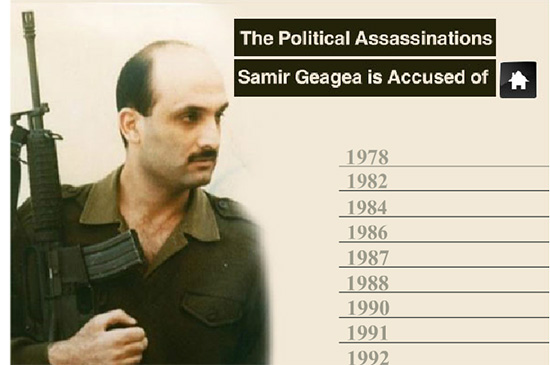
The Black Record of Samir Geagea

The attack could have easily spiraled into a civil war had it not been for Nasrallah’s public calls for restraint, which gave space for an investigation by army intelligence, under the supervision of the judiciary, that this week summoned LF leader Samir Geagea for interrogation. That case continues.

Judiciary and military responsibility for the explosives

Why has Bitar overlooked the judicial and military responsibilities for the ammonium nitrates and its storage at the port for seven years? Why does he persist in focusing his investigation on cabinet ministers and parliamentarians mainly, despite the fact that the explosion was primarily a security and judicial failure?

If the army had carried out its function, entrusted exclusively to Lebanon’s military under the country’s Weapons and Ammunition Law, by supervising the nitrate storage, destruction, or re-export, the devastating explosion would have been averted.

Similarly, if judges had done their job, a legally binding – not a political one – decision would have ensured the destruction or immediate exportation of the explosive materials from Warehouse 12 in the Port of Beirut.

Despite the negligence of his judicial colleagues, Judge Bitar has been noticeably timid about addressing their liabilities in the lead-up to the explosion. The politicization of his investigation has all but buried the legal distribution of responsibility – the truth, so to speak – for the blast.

The judges who escaped Bitar’s ‘judgement’
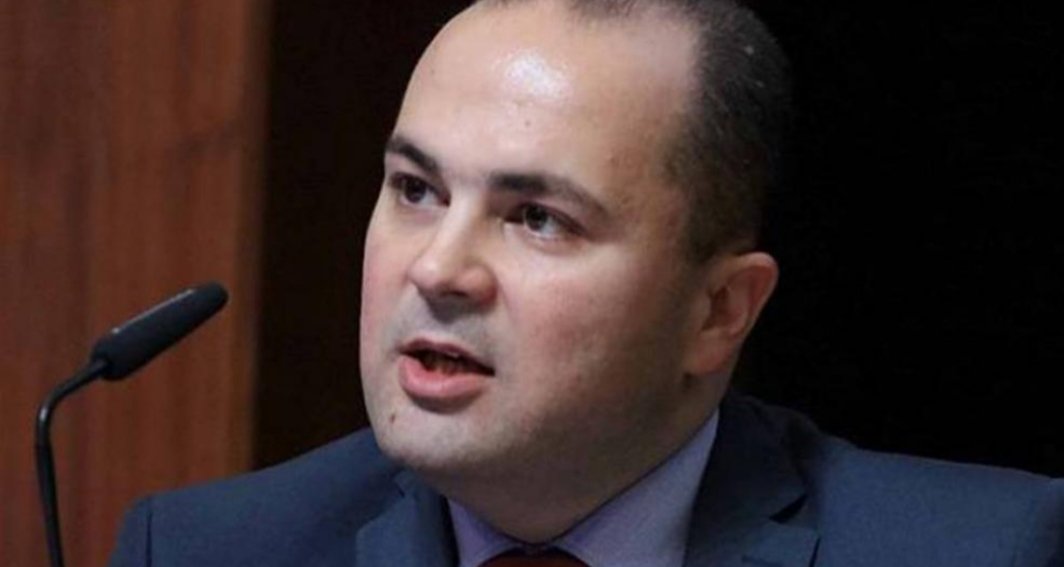
Gassanoff on Twitter: "المجرم القاضي جاد المعلوف هو المسؤول عن انزال  النيترات لمصلحة من أمر بانزالها او بطلب من من؟ من هنا يبدأ التحقيق مع  المجرم جاد المعلوف .هذا هو الصندوق الاسود…
Judge Jad Maalouf

To this day, the ‘guardians of justice’ continue to remain unaccountable. But the names of seven judges and a state attorney suspected of negligence have been identified as those most liable for the judiciary’s failings: Judges Jad Maalouf and Carla Shawah from the Beirut Urgent Matters Court, Ministry of Justice Judges Marwan Karkabi and Helena Iskandar, head of the Beirut Executive Department Mirna Kallab, government commissioner at the Military Court Judge Peter Germanos, Appeals Court Attorney General Ghassan Khoury, and state attorney Omar Tarabah.

Lebanon’s Internal Security Forces (ISF) had identified these judges in a report presented to Judge Bitar at the start of his investigation.

The judiciary’s responsibility in the blast has also been lost amid blanket local media focus on Lebanon’s political class since 17 October 2019, when a street ‘revolution’ arose in response to the country’s economic collapse. The prevailing trend in the country has been to lay all blame on the politicians and bankers who let this happen.

So there would be little fallout for Bitar if he took the easy path, focused on the easy ‘villains,’ and didn’t rock the boat with his judicial colleagues or Lebanon’s ‘neutral’ military establishment.

Bitar checked some boxes, but basically played softball with the judiciary.  As an example, he formally requested that the Cassation Court’s public prosecutor separately verify the negligence of Beirut Judges Maalouf and Shawah in order to charge them with the crime of probable intent, like the rest of the defendants in the case.

Although more than a year has passed since the blast investigation began, any action against the judges, or even checking their files or hearing their statements, has been delayed for months, although the role of one of them – Jad Maalouf – is critical.

Maalouf signed off on the decision to unload the ship’s ammonium nitrate cargo and appoint a judicial guard as the head of the port, Mohammad al-Mawla. After Mawla claimed that he did not hold the keys to the warehouse, Maalouf was supposed to appoint another judicial guard and establish a time period for guard duty, which did not happen. Bitar listened to the statements of Maalouf and Shawah as witnesses only, unlike others who he intends to prosecute. Why?

The file of the ammonium nitrate shipment had swung back and forth for years between the General Customs Directorate and Beirut Urgent Matters Judge Maalouf. Several letters were sent to the Director General of Customs Badri Daher to re-export the goods, but Judge Maalouf kept writing down the request and sending it to the Justice Ministry’s cases commission, which responded only once by approving the re-export.

Maalouf was assigned to transfer the ownership of the goods within a week, even though Article 13 of the UN’s Hamburg Convention permits the destruction of goods – and if they are hazardous, without transferring their ownership – without paying compensation to the owner. The Hamburg Convention, signed in 1978 and enforced in November 1992, is the UN’s ‘Hamburg Rules’ on cargo sea shipments that unified a legal system regulating the rights and obligations of shippers, carriers, and consignees under the contract of transport of goods by sea.

According to legal experts, Judge Maalouf should have ruled to destroy these highly dangerous materials based on both Article 13 of the Hamburg Convention as well as the provisions of paragraph 2 of Article 579 of the Lebanese Code of Civil Procedure; that is, without a request from anyone and regardless of the rights of their owners, who are not entitled to compensation for the destruction of hazardous goods.

Instead, four years were spent on issuing notifications, or requesting discussions on jurisdiction and the legality of selling or destroying the goods. If Judge Maalouf had taken the decision to destroy the ammonium nitrates immediately, Lebanon would have certainly avoided its destructive consequence last August.

The same reasoning applies to suspected Judge Shawah, who was referred to the prosecution with Maalouf, but judicial sources tell The Cradle that she has not received any document or review from anyone since she took over the ammonium nitrates case from Maalouf.

Judge Bitar has also asked the Appeals Court public prosecutor to verify the suspected negligence of Public Prosecutor Judge Khoury for authorizing the closing of the nitrates file. But Bitar did not do that for months, and until the day before, he believed that the Court of Cassation might recuse him based on the lawsuits submitted by the defendants and ministers accusing him of bias.

It appears that Bitar initially suspected Khoury of involvement in criminal activities that contributed to the death and injury of people and causing damage to public property as a result of the judge’s decision to shelve the State Security’s investigation report. Then, inexplicably, Judge Imad Qabalan, the Court of Cassation’s public prosecutor, decided those suspicions were unjustified and threw out Bitar’s inquiries by saying he considered “the report of the judicial investigator [Bitar] dated 24 September 2021 to be empty of any suspicions and does not prove fault in the job duties of Judge Khoury.”

The fourth and fifth judges, Helena Iskandar and Marwan Karkabi, who headed the Justice Ministry’s cases commission, are suspected of years of procrastinating before responding to the correspondence of the Director General of Customs and the Urgent Matters Judge. Although they received several letters, they responded only once by proposing to re-export the nitrates without following up on the case, which is one reason the ammonium nitrates remained in the heart of Beirut.

The sixth judge, Peter Germanos, was contacted by State Security investigators – when he was the government representative at the military court regarding the ammonium nitrate stores – to notify him about the high risk of these materials. But Germanos told them this case was not in the jurisdiction of the military prosecution because the Urgent Matters Judge had ruled to remove that material from Warehouse 12.

Although the issue is related to the Lebanese state’s national security and clearly falls within the jurisdiction of the Army Intelligence, Germanos decided that it is not within the powers of the Military Public Prosecution. Why?

Judge Germanos has denied on Twitter that he received any reports or minutes on the ammonium nitrates from the State Security or any other agency. Here, Bitar’s investigation needs to discover which side is telling the truth, bearing in mind that most communications between the judicial police and public prosecutor were conducted orally, over the phone, until written investigation minutes are stamped and referred to the Public Prosecution.

The seventh judge – Mirna Kallab, head of the Executive Department in Beirut – following correspondence from the Justice Ministry’s cases commission on the sale of the nitrates, was tasked specifically with appointing an inspections expert. A dispute emerged from the start between the Ministry of Works and the cases commission over who should pay the expert’s fees, which did not exceed 700,000 (approximately $467) Lebanese pounds.

Here, state attorney Omar Tarabah’s name appears for procrastinating for more than a year over correspondence related to paying the expert’s fees to inspect the Rhusos, the ship which transported the ammonium nitrate to the Port of Beirut.

In a nutshell, it is believed that the reason for Bitar’s leniency in holding negligent judges accountable for the Beirut blast is due to the prevailing conviction among judges of the need to protect and provide their colleagues with immunity, lest they next become scapegoats for the political class who would also wish to protect their colleagues with immunity.

Bitar should have refused to cater to the judiciary and military establishments, and made a beeline for whomever he suspected of negligence, regardless of their affiliations. Having failed to do so, this investigation is now a bust. Unless Bitar changes course and takes on these two protected institutions, only scapegoats will be charged for Lebanon’s deadliest explosion in history.


River to Sea Uprooted Palestinian   
The views expressed in this article are the sole responsibility of the author and do not necessarily reflect those of the Blog!

Saturday, 27 November 2021

Sayyed Nasrallah Declares 2nd Phase of Diesel Initiative, Urges Gov’t to Revisit Lifting Medical Subsidies

 Nov 26, 2021

By Al-Ahed News

Hezbollah Secretary General His Eminence Sayyed Hassan Nasrallah delivered a televised speech on Friday evening in which he tackled the latest local political developments, mainly announcing the beginning of the second phase of distributing diesel oil to the families for heat in Winter.

At the beginning of his speech, the Resistance leader congratulated all the Lebanese people on the Independence Day that was celebrated a few days ago, and wished that they can preserve their country’s sovereignty and independence, stressing that “There must come a day in which the annually renewable argument about the independence of Lebanon in 1943 would be settled.”

“Preserving the independence, unity and liberty of the country requires a continuous battle,” Sayyed Nasrallah said, noting that it is the responsibility of all the Lebanese people to preserve their independence, even if it is a figurative one, and turn it into a real and true independence.

His Eminence hailed the many Lebanese people who resisted and believed in the different types of resistance until they reached the major victory in 1985 when the occupying forces withdrew from the capital Beirut, Mount Lebanon, Saida, and Rashayya, until the most prominent victory of 2000 when the ‘Israelis’ fled South Lebanon.

However, Sayyed Nasrallah lamented the fact that “When Lebanon is banned from benefiting from its resources, and when the US every day blatantly interferes in the judiciary, politics, security, and future parliamentary elections, then the country’s sovereignty is incomplete.”

As long as Lebanon is within the circle of the continued ‘Israeli’ threats, this means that we are in the middle of the battle for independence and sovereignty; the Hezbollah leader underscored, while also noting that “we’ve triumphed in many phases of this battle and we are quite sure that once we continue this path with determination and steadfastness then more victories are to come.”

“There will come a day when, through cooperation with all the faithful people, we will bring for our nation the unquestionable independence, sovereignty, and freedom.”

Moving to the escalating processes of normalization with the ‘Israeli’ occupation regime, Sayyed Nasrallah lashed out at “the accelerating track of normalization many Arab countries are witnessing, the last of which was the shameful and blatant developments that took place in Morocco.”

As for blacklisting Hezbollah, His Eminence suggested that it might be either tied to the regional developments or the [upcoming] parliamentary elections.

Covid-19 in Lebanon

As he warned that the rise in the Coronavirus cases and virus-related deaths in Lebanon is critical, Sayyed Nasrallah reiterated that since the beginning of the Coronavirus crisis in Lebanon, Hezbollah has announced a plan that it implemented and succeeded in, and declared that the resistance movement decided to activate this plan with a 100% effectiveness.

He then urged the Ministry of Health to exert more efforts no matter what are the difficulties, voicing Hezbollah’s readiness to help in all fields.

Meanwhile, His Eminence made it clear that the political affiliation of the health minister is not an important issue as the country is in danger; adding that “as it happened with the previous one, Hezbollah sets all its capabilities at the disposal of the current Health Ministry.”

Additionally, Sayyed Nasrallah called on the Lebanese Prime Minister and all the concerned parties to revisit the recent decision about lifting the subsidies that were offered for some medicines.

“Lifting the subsidies on some drugs could not be justified by saying that the state doesn’t have enough cash for this; there are thousands who are exposed to the danger of death due to such uncalculated decisions,” His Eminence warned.

Moreover, Sayyed Nasrallah called on canceling certain ministries and budgets given the fact that there are thousands of people whose lives are in danger, and explained that this has nothing to do with political bids.

Lebanese Pound Crisis

In reference to the Lebanese currency’s steep crisis, Sayyed Nasrallah urged brave and daring action against the uncontainable prices of the Lebanese Pound against the US Dollar.

“We shouldn’t remain silent regarding the uncontainable price of the US Dollar and the state can make something, but what we need is a will, a decision, and shouldering the responsibility; the matter requires a brave and daring action,” the Hezbollah leader highlighted.

He then declared that Hezbollah decided to activate it institutions and medical centers to meet as much as possible the people’s need for those drugs.

Lebanese Judiciary

Regarding the judicial inspector, Sayyed Nasrallah remarked: “We found out that the concerned judicial parties are submitting to the politics and what happened in the past two days proves what we’ve been talking about over the past year.”

His Eminence then asked: “Is there today within the Lebanese judiciary a judge who dares to disqualify the judicial judge? There is one judge who tended to do this but was threatened in return.”

The Hezbollah leader noted that “what is taking place right now is that the members of the Lebanese judiciary establishment are defending each other; all data indicate that the judges concerned with the Beirut Port blast are within the circle of suspicions and accusation,” warning that the current judicial track of the Beirut Port blast won’t lead to the truth.

The Tayyouneh Incident

With respect to the Tayyouneh incident, Sayyed Nasrallah announced that the issue has been turned to the military judiciary, which, since the first days, has been subjected to huge pressure from religious and political parties.

“Some of the arrestees have been released and pressures are being made to release the other arrestees,” His Eminence said, blasting the religious and political pressures on the judiciary as insults for the martyrs, the wounded, their families, and the sides they are affiliated with, cautioning further that such pressures “might push the families of the victims to take revenge.”

“Adhering to the current track in the Tayyouneh incident is dangerous and may lead the nation to chaos,” His Eminence added.

Hezbollah’s Diesel Oil Initiative

In reference to the initiative Hezbollah has launched to bring in diesel oil from Iran, the party’s secretary general explained once again the reasons behind this move.

“In front of the lines in which people were humiliated being waiting in front of gas stations, the growth of the black market, and the lack of the material, we announced that once the situation remains the same, we will tend to buy gas and diesel oil from Iran to ease the crisis.”

However, Sayyed Nasrallah underscored that although the material became available and the lines of humiliation vanished, Hezbollah didn’t abandon its promise and tends to ease the suffering of the people, yet it doesn’t seek to replace the oil companies but just to ease the crisis.

As part of the process, Sayyed Nasrallah explained that Hezbollah has to transport dozens of oil cisterns from Baniays to Baalbek, a distance that is equal to 250 kilometers, which if unloaded at the Zahrani or Tripoli refineries would have been way easier.

However, due to the US pressures on the Lebanese government Hezbollah brought the diesel oil via Syria despite the difficulties and repercussions, His Eminence outlined.

While declaring that the first stage of the project started in September and ended in November; Sayyed Nasrallah announced that the second stage will start within days. “Hezbollah directly delivered diesel oil to many municipalities, governmental institutions, hospitals, orphanages, and nursing homes, despite all the difficulties.”

Talking numbers, Sayyed Nasrallah stated that the amount of the donations delivered in the first phase hit near US $2,600,000.

“In a period of two months, Hezbollah offered diesel oil to 80 nursing homes and orphanages, 320 municipalities to operate water wells, 22 governmental hospitals, and 71 firefighting teams from the official Civil Defense service.”

The first phase of the diesel oil initiative costed Hezbollah US $7,750,000, Sayyed Nasrallah said, adding that it has been ended with the aim to start preparing for the second phase.

The Hezbollah leader further admitted that the applied mechanism was somehow slow and complicated, saying this is normal as time is needed to make sure that the subsidized Iranian diesel oil will be handed to those who are worth it and not be used in the black market.

“We paid in the first phase of the diesel initiative ten million US dollars under the title of helping certain categories in Lebanon and easing their suffering,” Sayyed Nasrallah said, stressing that “The same categories that received donations in the first phase will receive the diesel oil in the second phase also.”

His Eminence then explained that all families residing in the villages and cities located at least 500 meters above the sea level are to take advantage from the second phase of the diesel oil initiative.

Sayyed Nasrallah also announced that Hezbollah will sell every diesel oil barrel to the families for one million Lebanese Pounds less than the official rate.

“According to Hezbollah’s statistics, hundreds of thousands of families will benefit from this project,” he also noted.

Meanwhile, the best way to distribute diesel oil will be through the municipalities which will be contacted to identify the numbers of the families they have and the needed amounts, then the Amana Company will deliver diesel oil to the stations selected by the municipalities, according to the mechanism clarified by Sayyed Nasrallah.

Additionally, another diesel oil ship will arrive within days, Sayyed Nasrallah announced, urging to complete the process of communicating with people quietly because the main goal is to ease their suffering.

While a big share of the required amount has been transferred to the Lebanese territories, there is another part which is being transferred from Syria.

Defaming Attempts

With respect to the attempts of defaming Hezbollah by faking documents that are allegedly referred to the resistance movement, Sayyed Nasrallah mocked those behind such actions as unprofessional and ridiculous.

“In the past weeks and months there has been a major attack targeting Hezbollah; this is not something new, but the new thing is the intensifying of this attack and the alleged documents.”

Sayyed Nasrallah described those fabricating such fake documents as unprofessional and non-Lebanese sides, noting that the content of the documents is very ridiculous.

“We regret that some sides deal with those fake documents with a high level of ridicule, ignorance, and pettiness. Those are operating based on the saying that you lie and lie and lie then people would believe you!” His Eminence added.

Slamming such attempts in a time of unjustness, defamation, and distortion of Hezbollah image, Sayyed Nasrallah advised those who believe such lies to at least examine what they are being told about the resistance movement.

At the end of his speech, Sayyed Nasrallah labeled the act of firing some Lebanese people who work in the Gulf states as and dishonorable, inhumane, and unethical measure.

Related Videos

Related Articles


River to Sea Uprooted Palestinian   
The views expressed in this article are the sole responsibility of the author and do not necessarily reflect those of the Blog!

‫عبّود يرعى قضاء غبّ الطلب

 الجمعة 26 تشرين الثاني 2021

الأخبار قضية اليوم


(مروان بو حيدر)

رضوان مرتضى الجمعة 26 تشرين الثاني 2021

أن يتواطأ القضاء ليُقرر باسم بعض الشعب أحكاماً وقرارات معلّبة سلفاً لتُرضي جمهوراً يتظاهر على أعتاب قصر العدل المتداعي، فذلك ما حصل أمس تماماً في قرار محكمة التمييز الذي أصدرته القاضية رندة كفوري. وبالتزامن معها، أصدرت، الهيئة العامة لمحكمة التمييز، وهي الهيئة القضائية الأعلى، سلسلة قرارات بالجملة لتواكب رغبات المحتجين. بقيت «عربوسة» القاضيين نسيب إيليا وحبيب مزهر التي فتح قرار «التمييز» الباب لطيّها«قدرة قادر»، في تزامن مريب، شاءت أن يصدر قرارا الهيئة العامة لمحكمة التمييز ومحكمة التمييز في وقت واحد، على وقع أصوات متظاهرين أمام قصر العدل للمطالبة بإبقاء طارق البيطار محققاً عدلياً في انفجار مرفأ بيروت.


المايسترو» واحد، وهو رئيس مجلس القضاء الأعلى (الطائفي) سهيل عبود

«المايسترو» واحد، وهو رئيس مجلس القضاء الأعلى سهيل عبود الذي يُقال، همساً وجهراً، في أروقة قصر العدل إنّ «مَوْنته كبيرة» على رئيسة محكمة التمييز رندة كفوري التي انتدبها لرئاسة الغرفة السادسة في «التمييز» التي تنظر في طلبات النقل للارتياب المشروع. وقد وقّتت كفوري قرارها في طلب قُدِّم لها منذ أكثر من 3 أشهر على توقيت «الهيئة العامة»، ملبياً ما يصبو إليه عبّود رغم المخالفات الكثيرة التي ارتكبها البيطار. جرى ذلك كله على وقع تصفيق المتظاهرين في ساحة قصر العدل التي تحوّلت مسرحاً يخشاه القضاة ويتسابقون لخطب ودّ المتفرجين بقرارات معلّبة بناء على «ما يطلبه الجمهور»، كما على «ما يطلبه» الفريق السياسي الداخلي والخارجي المصرّ على استخدام التحقيق في انفجار المرفأ لتحقيق أهداف سياسية.

طارق بيطار: من هو القاضي اللبناني الذي وصلت الانقسامات بشأنه إلى اشتباكات  في بيروت؟ - BBC News عربي

هكذا، ردّت محكمة التمييز برئاسة كفوري دعوى الوزير السابق يوسف فنيانوس ضد البيطار بسبب الارتياب المشروع. وقبلت دعوى نقابة المحامين ضد القاضي غسان خوري بكف يده عن النظر في دعوى المرفأ بسبب الارتياب المشروع. كالت كفوري بمكيالين، ففيما ردّت الطلبات ضد البيطار، قبلت دعوى نقابة المحامين لرد النيابة العامة متمثلة بخوري عن الملف، وهو «موقف فريد عجيب»، وفق مصادر عدلية. إذ إنّ قبولها ردّ خوري وقرارها إبقاء البيطار يطرحان «ألف علامة سؤال ويخلقان التباساً كبيراً». فهي اعتبرت أنّ المحقق العدلي التزم بالقانون، لكنها ارتابت في أداء خوري لقوله في الدفوع إنّ صلاحية ملاحقة الوزراء والرؤساء منعقدة لمجلس النواب والمجلس الأعلى لمحاكمة الرؤساء والوزراء، معتبرة أنّه بذلك كمن يُساعد المتقدمين بالطلب، مع أنّ القانون يبيح للنيابة العامة أن تبدي رأيها بحرية في الموقف الذي تراه مناسباً، ولها أن تبدّله. كما يحق للنيابة العامة أن تحفظ وتدّعي متى تشاء.

قرار القاضية كفوري هرطقة قانونية، إذ يأتي رغم الاجتهاد القائل إن النيابة العامة لا تُرد. والاجتهاد هذا تجاهلته القاضية عمداً. وكان هذا جلياً إذا ما قورنت بالتعامل مع القاضية غادة عون التي لم يستطع أي من القضاة وقفها أو كفّ يدها باعتبارها ممثلة للنيابة العامة. أعابت كفوري على خوري جهله بقرار محكمة التمييز، من دون أن تلتفت إلى الاجتهاد المعمول به. «تخبيصات» رئيسة محكمة تمييز، التي يُفترض بها أن تكون قدوة في القانون وبوصلة تستدلّ بها المحاكم والقضاة الأدنى درجة، لم تقف عند هذا الحدّ. فقد ذكرت في أحد قرارتها أن النص أعطى صلاحية استثنائية للمحقق العدلي لأن يدّعي على من يشتبه به من دون الرجوع إلى النيابة العامة، لكنها لم «تكتشف البارود» بذلك، باعتبار أنّ النصوص القانونية أصلاً تُبيح لأي قاضي تحقيق أن يستدعي أي مشتبهٍ فيه بصفة مدعى عليه من دون ادّعاء النيابة العامة، كونه يضع يده على الدعوى بصورة موضوعية.

تحديد المرجع الصالح للنظر بردّ المحقق العدلي يُشرّع الباب لتقديم طلبات الرد لدى محكمة التمييز


أما الهيئة العامة لمحكمة التمييز المؤلفة من القضاة سهيل عبود رئيساً، وسهير الحركة وجمال الحجار وعفيف الحكيم وروكس رزق أعضاءً، فقد أصدرت قرارها بالإجماع. بتت في طلبات الخطأ الجسيم المقدمة من النائب نهاد المشنوق ورئيس الحكومة السابق حسان دياب. واتخذت القرار بتحديد المرجع الصالح للنظر في طلبات رد المحقق العدلي وما إذا كان المحقق العدلي يُرَدّ في ضوء إصدار محكمتي الاستئناف والتمييز طلبات تفيد بأنّه لا يقبل الرد. كُرِّس أمس أنّ المحقق العدلي يُرد بعدما كانت محكمتا الاستئناف والتمييز قد وضعتاه سابقاً فوق القانون، وحُدِّد المرجع الصالح الذي بإمكانه رده، وهو محكمة التمييز.

بالتالي، بات اليوم بإمكان المتهمين الذين يستشعرون الارتياب من أداء المحقق العدلي تقديم طلبات رده أمام محكمة التمييز من دون أن يجتهد رؤساؤها بأنّ لا صلاحية لهم. في المحصلة، ردت الهيئة العامة لمحكمة التمييز برئاسة عبود طلبات مخاصمة الدولة بسبب «أخطاء جسيمة ارتكبها قاضٍ»، المقدمة من دياب والمشنوق ضد البيطار، على خلفية اتهامهما له بمخالفة الدستور من خلال الادعاء على رؤساء ووزراء، وهي الصلاحية التي يريان أنها للمجلس الأعلى لمحاكمة الرؤساء والوزراء. كما ردت دعاوى مخاصمة الدولة المقدمة من النائبين علي حسن خليل وغازي زعيتر ضد القاضيين جانيت حنا وناجي عيد، كون القاضيين الأخيرين خالفا نصوصاً قانونية تُلزمهما بتبليغ أطراف الدعوى قبل النظر في طلب رد القاضي بيطار. وألزمت المحكمة المتقدّمين بالدعاوى دفع مبلغ مليون ليرة كغرامة عن كل دعوى تقدم بها كلّ منهم.

بين محكمة التمييز والهيئة العامة لمحاكم التمييز، ضاعت «عربوسة» القاضيين نسيب إيليا وحبيب مزهر، اللذين يترأسان غرفاً في محكمة الاستئناف في بيروت، واللذين يواجهان سيلاً من طلبات الرد التي تقدّم بها فنيانوس. لم يصدر عنهما قرار يقطع الشكّ باليقين، إلا أنّ المسار المرتقب يُبين أنّ تحديد محكمة التمييز مرجعاً للنظر بطلبات رد المحقق العدلي، يُتيح لإيليا بأن يقول إنّه ليس المرجع الصالح للنظر بصفته رئيس غرفة في محكمة الاستئناف.

أمام كل ما سبق، يُفتح مسار جديد في ملف الدعاوى. إذ إنّ تحديد المرجع الصالح للنظر بردّ المحقق العدلي يُشرّع الباب لتقديم طلبات الرد لدى محكمة التمييز عملاً بقرار الهيئة العامة. بالتالي، فإنّ الدعاوى المرتقب تقديمها سيتسلّمها رئيس مجلس القضاء الأعلى ليُحدد الغرفة التي ستنظر فيها، علماً أن كثراً يستشعرون الارتياب في أداء عبود نفسه. فهل سيكون القضاة الذي سيُحيل إليهم الملفات على شاكلة كفوري واجتهاداتها؟


فيديوات متعلقة


مقالات متعلقة


River to Sea Uprooted Palestinian   
The views expressed in this article are the sole responsibility of the author and do not necessarily reflect those of the Blog!

Friday, 26 November 2021

من تدخل السياسة في القضاء إلى تدخل القضاء في السياسة


ناصر قنديل

في بداية التسعينات طرح بعض السياسيين سؤالاً عنوانه، هل أن أولوية الملف الأمني المتمثل بسحب الأسلحة وحل الميليشيات وإعادة توحيد الجيش، سيفتح الشهية الدولية نحو اعتبار الجيش حصان الرهان السياسي الأول، بحيث ننام ونصحو على تعاظم دور المؤسسة العسكرية، ونستعيد صورة الرؤساء الذين يلبسون البزة العسكرية، وعلى رغم تجاهل الكثير من السياسيين لهذه المعادلة، تقول وقائع ثلاثة عقود لما بعد اتفاق الطائف إن العسكر تصدروا الواجهة السياسية، فما كادت مفاعيل توحيد الجيش وحل الميليشيات تكتمل، حتى صار الرئيس المدني الياس الهراوي آخر الرؤساء الآتين من المجتمع السياسي، وصار الذين تناوبوا قبل الطائف وبعده على منصب قائد الجيش يدخلون إلى قصر بعبدا كرؤساء للجمهورية، ويبدو اليوم  أن الأميركيين الذي يعاقبون لبنان بعقوبات جماعية يؤكدون بما لا يقبل التأويل عزمهم على مواصلة الاستثمار على علاقتهم بالجيش، لكنهم يضعون لهذا الاستثمار سقفاً أمنياً لا سياسياً، ويتراجع السقف السياسي الذي كانت عليه الحال في السابق، فالعنوان السياسي الرئيسي في زمن المواجهة الأميركية مع المقاومة لا يتخذ عنوان الرهان على المواجهة العسكرية والأمنية، فالأميركي يسلم، كما قال الكثير من المسؤولين الأميركيين صراحة، بأن تعريض الجيش لمخاطر الزج به في مواجهة مع المقاومة، يفوق قدرة الجيش وقابليته للاستجابة، والحفاظ على تماسكه.

في السياسة طور الأميركيون مقاربتهم منذ 17 تشرين الأول 2019، واعتبروا أن عنوان مكافحة الفساد هو الأنسب لتقدم الأجندة الأميركية في مواجهة المقاومة، على رغم القناعة الأميركية بلا جدوى تجاوز اتهام المقاومة بالفساد من الشعار إلى التفاصيل بتقديم أي واقعة مكتملة تؤكد هذا الاتهام، بينما يمكن، كما أكد كثير من المسؤولين الأميركيين إلحاق الأذى بحلفاء المقاومة تحت هذا العنوان، ولو اقتضى الأمر إصابة عدد من حلفاء واشنطن، الذين أظهروا  بنظر واشنطن تخاذلاً في خوض المواجهة مع المقاومة بداعي الحرص على السلم الأهلي، وخرجت دراسات وتحليلات تتحدث عن تجديد الطبقة السياسية، بإنشاء مئات وآلاف منظمات المجتمع المدني في مناخ 17 تشرين والدفع بها إلى الواجهة السياسية، وجاءت العقوبات الأميركية على سياسيين ورجال أعمال لبنانيين تؤكد هذا المنحى، لكن دفع المعركة تحت عنوان الفساد لتجديد الطبقة السياسية، وبطريقة مستهدفة لحلفاء المقاومة وتقليص حضورهم السياسي، تستدعي إنهاض صف أمامي وخلفي في المستوى القضائي، يعيد إلى الواجهة السؤال الذي طرح في التسعينات بطريقة جديدة، هل نحن أمام زمن فتح الشهية الأميركية ومحاكاة الشهيات المحلية، وعلى أعتاب الاستحقاق الرئاسي، لنشهد مرشحين رئاسيين من القضاة، لكن بدلاً من شعار الجيش هو الحل، يتقدم شعار القضاء هو الحل؟

يريد البعض منا أن نصدق أن الفرصة التي وفرها انفجار مرفأ بيروت لتظهير الدور القضائي في مواجهة السياسيين تعبيراً عن انتفاضة الجسم القضائي على التدخلات السياسية، وتمسكاً باستقلال القضاء، الذي كان متهماً بالتقصير والاستنساب والتبعية الطائفية والسياسية، فهل حدث بين ليلة وضحاها أن نزل الوحي وتغيرت الصورة، وما يقوله حجم التصعيد القضائي تحت عنوان التضامن بين القضاة في كل تفاصيل قضية التحقيق في انفجار المرفأ، والمجازفة بمخاطر رفضت قيادة الجيش تحمل مثلها، جسدها ما ظهر من علامات الانقسام الطائفي في المجتمع وصولاً إلى الجسم القضائي نفسه، إن التذرع السابق بالضغوط التي يمارسها السياسيون كان استساغة يسلس عبرها القضاة النفس للمطالب السياسية طلباً للنفوذ والسلطة، ويعيدون فعلها اليوم بالتمرد على السياسة طلباً للتدخل فيها من باب أوسع، تتيحه النظرة الخارجية التي تدعو القضاء لملء الفراغ الناجم عن تراجع الجيش إلى الخلف، فيتقدم قضاة ليقولوا القضاء هو الحل، أي الرئاسة لقاض بدلاً من جنرال، ولا يمانعون من تدخل القضاة في السياسة تعويضاً عن زمن تدخل السياسة في القضاء.

يريد البعض القول إن هذا تحول إصلاحي ثوري يستحق التشجيع بمعزل عن المقدمات والظروف، التي يمكن وضعها في حسن التقاط اللحظة المناسبة لهذا الانقلاب، فلماذا التشكيك طالما أن هناك إجماعاً على أولوية مكافحة الفساد، وأن اللبنانيين ضاقوا ذرعاً بالسياسيين وعبروا عن ذلك في انتفاضة الغضب في 17 تشرين، ويردون السؤال بالقول، ولماذا تضع المقاومة نفسها كخط دفاع أمامي عن الطبقة السياسية سواء في مرحلة 17 تشرين، أو في مرحلة الملاحقات القضائية، والجواب بسيط، لكن بسؤال أيضاً، وهو لماذا يحجم القضاء عن فتح ملفات المصارف ومصرف لبنان، طالما جوهر النظام الفاسد يجد قلعته الحصينة في نظام الريع الذي يرعاه مصرف لبنان وتمثل المصارف قوته الضاربة، وطالما أن الثورة على الفساد وإثبات الأهلية لقيادة العمل الإصلاحي تبدآن من هنا، ومن دون هذا الشرط يصير المشهد واضحاً، إعادة تعويم النظام الريعي التابع والمستتبع برموز جديدة أشد طواعية واستعداداً للمجازفة بتعريض السلم الأهلي للخطر، وأكثر عدائية للمقاومة، وأشد طائفية، من القيادات الطائفية، مقابل الوصول للسلطة، فهل هذا إصلاح أم خراب؟


فيديوات متعلقة


مقالات متعلقة


River to Sea Uprooted Palestinian   
The views expressed in this article are the sole responsibility of the author and do not necessarily reflect those of the Blog!

Thursday, 25 November 2021

شكراً للميادين


الأربعاء 24 تشرين الثاني 2021

قدمت قناة الميادين وثائقياً من حلقتين تحت عنوان الحقيقة في انفجار مرفأ بيروت، ومن عناصر تميز هذا الوثائقي درجة الحيادية العلمية التي قدمها باستبعاده لأي تحليلات وعدم استحضار خبراء وأصحاب رأي وحصره بتقديم سردية تستند فقط إلى الوثائق.

حسمت سردية الميادين الموثقة الغموض حول شحنة النترات والسفينة التي حملتها، فبات واضحاً أن الجهة المعلومة في موزمبيق هي التي اشترت النترات وبذلت جهوداً هائلة لتأمين الحصول عليها، وعندما تأكدت من تلف الشحنة بعد سنتين من الملاحقة أبلغت المعنيين بأنها لم تعد معنية بها، وكذلك السفينة التي تبدو عائدة كما بحارتها لجهة مفلسة أو قليلة الموارد أو تحكمها عقلية الابتزاز التجاري لتحصيل مبالغ تحت ضغط التوقف عن أداء المهمة، وهذا ما جاء بها إلى بيروت لتحميل شحنة معدات إلى العقبة، لكن بالحصيلة يصعب القبول بنظرية أن النترات والسفينة قد خطط سلفاً للمجيء بهما إلى بيروت، ما يجعل تقدير التفجير الناجم عن حدث عرضي للاشتعال أقرب للتصديق.

التقارير الموثقة للجانب الفني من التفجير تقاطعت بلا التباسات تلتقي على استبعاد نظرية التفجير من الخارج بصاروخ أو عبوة، وأجمعت على أن التفجير ناجم عن اشتعال بدأ مع التلحيم وتصاعد مع اشتعال المفرقعات النارية، وتباينت التقارير عند نقطة تحتاج إلى الحسم، حول الكمية التي تفجرت، حيث يقول التقريران الفرنسي والأميركي أن كمية تعادل ربع الكمية الأصلية فقط هي التي تفجرت، ما يطرح سؤالاً حول وجود تسريب أو سرقة أو استعمال لكميات منها يتيح التفكير بوجود مصلحة لمستفيدين تجارياً أو سياسياً من إبقاء النترات، بينما جاء تقرير قوى الأمن الداخلي ليقدم تفسيراً لهذا الفارق بتلف القدرة التفجيرية للنترات بسبب الإهمال وسوء التخزين ومرور الزمن والرطوبة.

سردية الميادين الموثقة تظهر حجم الاهتمام الذي تعامل من خلاله الإداريون، الذين يمكن ملاحقتهم بتهم فساد في ألف قضية، لكن في هذه القضية تبدو العقدة مستعصية أمام مراسلات مدير الجمارك السابق واللاحق، ومدير المرفأ ومدير النقل البحري، ومن خلفهما شراكة الوزراء المعنيين في المراسلات، فلا مجال للشك بأن الصد القضائي كان سيد الموقف، مرة بداعي عدم الاختصاص ومرة بداعي الحاجة لمراجعة الجيش، ومرات بالتباطؤ، بحيث لا يسارونا الشك بأن دخول النترات وبقائها كان عملاً قضائياً بامتياز، وإفشالاً لكل مسعى للمعالجة من الإدارات المعنية التي يقبع رموزها في السجن ويلاحق وزراء الوصاية عليها بتهمة القتل الاحتمالي، بينما القضاة المعنيون أحرار.

 الجهتان الوحيدتان اللتان كان عليهما ولا يزال الإجابة عن سؤال، كيف تم التساهل مع دخول النترات، وعدم تتبع مسارها وملاحقة وجودها، والتخلي عن المسؤولية في التعامل مع هذا الملف الخطير، هما قوات اليونيفيل والجيش، والأمر في صلب صلاحيتهما ومسؤوليتهما، بينما قام جهاز أمن الدولة بمهمته ولم يتساهل أو يتلكأ، فيلاحق مدير الجهاز، ولا يسأل أحد الآخرين عن مسؤولياتهم.

التحقيق القضائي سار بعيداً من الحقيقة، وأضاء حيث يرغب الشارع الملتهب بقوة 17 تشرين لتقديم رؤوس سياسية طلباً لحماية المسؤولين الحقيقيين، وإشباعاً لعطش شعبوي لتقديم أسماء كبيرة، وإرضاء لطلب سياسي خارجي ينسجم مع الاستهداف المبرمج ضد حلفاء المقاومة، كما قالت العقوبات الأميركية وقالت الملاحقات، يا للمصادفة المذهلة، تتكرر الأسماء نفسها.

شكراً للميادين لأنها اعتمدت مهنيةعالية ولم يجذبها إغراء السياسة، فقدمت لنا مادة غير قابلة للطعن في التأسيس لسردية لا تشوبها شائبة، في قضية بهذه الأهمية وعلى هذه الدرجة من الخطورة.


River to Sea Uprooted Palestinian   
The views expressed in this article are the sole responsibility of the author and do not necessarily reflect those of the Blog!