Friday, 3 September 2021

Zakharova: Russia to Mull Recognizing Taliban as Afghanistan’s Authority

 September 2, 2021

Source: Agencies

By Al Mayadeen

The Russian Foreign Ministry’s Spokesperson Maria Zakharova voiced Russia’s concern over “growing social and economic tension in Afghanistan,” urging the international community to help.


Visual search query image
Russian Foreign Ministry Spokesperson Maria Zakharova

Russia condemned the latest US raid, which resulted in civilian casualties, in the Afghan capital of Kabul, and asserted that it’s in search of a way to offer humanitarian assistance to Afghanistan.

Foreign Ministry Spokesperson Maria Zakharova noted during a press conference she held today, that “the final chord of the international coalition’s military presence was another incident resulting in the death of civilians in a strike by a US drone, which caused the collapse of a home and the death of nine people, including six children. We strongly condemn such indiscriminate use of force.”

Zakharova also described the result of NATO’s mission in Afghanistan as a failure and a disaster, clarifying that “the problems of terrorism, drug trafficking, and low living standards of the local population have not been resolved,” rather, they deteriorated.

Zakharova also considered that the situation throughout these years did not get any better or more stable, rather NATO left behind what is evident in footage broadcast all around the world.

“We are particularly concerned about the growing social and economic tension in Afghanistan, which is associated with the suspension of financial and technical assistance from traditional Western donors. There is still uncertainty about the resumption of work of state institutions and banks,” she said.

She also added that Kabul and other major cities are witnessing dissatisfaction towards “Taliban” policies in light of rising prices, calling on the international community to “take effective measures to prevent a humanitarian crisis in Afghanistan,” also saying that Russia is mulling the possibility of “delivering Russian humanitarian aid to Kabul.”

Zakharova also expressed that Russia is in favor of the formation of an inclusive government in Afghanistan, noting that there are signs that the “Taliban” is ready to develop its relationship with the international community.

Asked whether Russia will recognize the “Taliban” as Afghanistan’s legitimate authority, the Spokesperson said that the question will be put on the agenda after the formation of an inclusive government in the country.


River to Sea Uprooted Palestinian   
The views expressed in this article are the sole responsibility of the author and do not necessarily reflect those of the Blog!

On Propaganda and Failed Narratives: New Understanding of Afghanistan is a Must

September 02nd, 2021
US Afghanistan Feature photo
US-Western propaganda, which has afflicted our collective understanding of Afghanistan for twenty years and counting, has been so overpowering to the point that we are left without the slightest understanding of the dynamics that led to the Taliban’s swift takeover.

By Ramzy Baroud

Source

For twenty years, two dominant narratives have shaped our view of the illegal US invasion and occupation of Afghanistan, and neither one of these narratives would readily accept the use of such terms as ‘illegal’, ‘invasion’ and ‘occupation.’

The framing of the US ‘military intervention’ in Afghanistan, starting on October 7, 2001, as the official start of what was dubbed as a global ‘war on terror’ was left almost entirely to US government strategists. Former President, George W. Bush, his Vice President, Dick Cheney, his Secretary of Defense, Donald Rumsfeld and an army of spokespersons, neoconservative ‘intellectuals’, journalists and so on, championed the military option as a way to rid Afghanistan of its terrorists, make the world a safe place and, as a bonus, bring democracy to Afghanistan and free its oppressed women.

For that crowd, the US war in an already war-torn and extremely impoverished country was a just cause, maybe violent at times, but ultimately humanistic.

Another narrative, also a western one, challenged the gung-ho approach used by the Bush administration, argued that democracy cannot be imposed by force, reminded Washington of Bill Clinton’s multilateral approach to international politics, warned against the ‘cut and run’ style of foreign policymaking, whether in Afghanistan, Iraq or elsewhere.

Although both narratives may have seemed at odds, at times, in actuality they accepted the basic premise that the United States is capable of being a moral force in Afghanistan and elsewhere. Whether those who may refer to themselves as ‘antiwar’ realize this or not, they, too, subscribe to the same notion of American exceptionalism and ‘Manifest Destiny’ that Washington continues to assign to itself.

The main difference between both of these narratives is that of methodology and approach and not whether the US has the right to ‘intervene’ in the affairs of another country, whether to ‘eradicate terrorism’ or to supposedly help a victim population, incapable of helping themselves and desperate for a western savior.

However, the humiliating defeat suffered by the US in Afghanistan should inspire a whole new way of thinking, one that challenges all Western narratives, without exception, in Afghanistan and throughout the world.

Obviously, the US has failed in Afghanistan, not only militarily and politically – let alone in terms of ‘state-building’ and every other way – the US-Western narratives on Afghanistan were, themselves, a failure. Mainstream media, which for two decades have reported on the country with a palpable sense of moral urgency, now seem befuddled. US ‘experts’ are as confused as ordinary people regarding the hasty retreat from Kabul, the bloody mayhem at the airport or why the US was in Afghanistan in the first place.

Meanwhile, the ‘humanistic interventionists’ are more concerned with Washington’s ‘betrayal’ of the Afghan people, ‘leaving them to their fate’, as if the Afghans are irrational beings with no agency of their own, or as if the Afghan people have called on the Americans to invade their country or have ‘elected’ American generals as their democratic representatives.

The US-Western propaganda, which has afflicted our collective understanding of Afghanistan for twenty years and counting, has been so overpowering to the point that we are left without the slightest understanding of the dynamics that led to the Taliban’s swift takeover of the country. The latter group is presented in the media as if entirely alien to the socio-economic fabric of Afghanistan. This is why the Taliban’s ultimate victory seemed, not only shocking but extremely confusing as well.

For twenty years, the very little we knew about the Taliban has been communicated to us through Western media analyses and military intelligence assessments. With the Taliban’s viewpoint completely removed from any political discourse pertaining to Afghanistan, an alternative Afghan national narrative was carefully constructed by the US and its NATO partners. These were the ‘good Afghans’, we were told, ones who dress up in Western-style clothes, speak English, attend international conferences and, supposedly, respect women. These were also the Afghans who welcomed the US occupation of their country, as they benefited greatly from Washington’s generosity.

If those ‘good Afghans’ truly represented Afghan society, why did their army of 300,000 men drop their weapons and flee the country, along with their President, without a serious fight? And if the 75,000 poorly-armed and, at times, malnourished Taliban seemed to merely represent themselves, why then did they manage to defeat formidable enemies in a matter of days?

There can be no argument that an inferior military power, like that of the Taliban, could have possibly persisted, and ultimately won, such a brutal war over the course of many years, without substantial grassroots support pouring in from the Afghan people in large swathes of the country. The majority of the Taliban recruits who have entered Kabul on August 15 were either children, or were not even born, when the US invaded their country, all those years ago. What compelled them to carry arms? To fight a seemingly unwinnable war? To kill and be killed? And why did they not join the more lucrative business of working for the Americans, like many others have?

We are just beginning to understand the Taliban narrative, as their spokespersons are slowly communicating a political discourse that is almost entirely unfamiliar to most of us. A discourse that we were not allowed to hear, interact with, or understand.

Now that the US and its NATO allies are leaving Afghanistan, unable to justify or even explain why their supposed humanitarian mission led to such an embarrassing defeat, the Afghan people are left with the challenge of weaving their own national narrative, one that must transcend the Taliban and their enemies to include all Afghans, regardless of their politics or ideology.

Afghanistan is now in urgent need of a government that truly represents the people of that country. It must grant rights to education, to minorities and to political dissidents, not to acquire a Western nod of approval, but because the Afghan people deserve to be respected, cared for and treated as equals. This is the true national narrative of Afghanistan that must be nurtured outside the confines of the self-serving Western mischaracterization of Afghanistan and her people.


River to Sea Uprooted Palestinian   
The views expressed in this article are the sole responsibility of the author and do not necessarily reflect those of the Blog!

Protests across Bahrain against Normalization

Source: Al Mayadeen

By Al Mayadeen

Protests broke out across Bahrain rejecting normalization with “Israel” and denouncing the appointment of the Bahraini Ambassador to the occupation entity.


Protesters hold signs in support of the Palestinian cause

Protests took place in various regions across Bahrain, rejecting normalization with “Israel” and denouncing the appointment of the Bahraini Ambassador to the occupation entity.

The demonstration in the Abu Saiba area, which chanted “together we stand against normalization,” witnessed protesters burning the Israeli flag and affirming their solidarity with the Palestinian people.

Similar protests were witnessed in the regions of Al Markh, Sanabis, and Samaheej.

River to Sea Uprooted Palestinian   
The views expressed in this article are the sole responsibility of the author and do not necessarily reflect those of the Blog!

Bin Salman Is Said To Have Played Role in Kabul Airport Attack

Bin Salman Is Said To Have Played Role in Kabul Airport Attack

By Staff, Agencies

A Saudi opposition figure, Abdul Rahmad Suhaimi, has spoken of the role of crown prince Mohammad Bin Salman [MBS] in supporting Daesh [the Arabic acronym for terrorist ‘ISIS/ISIL’ group] elements during the attack on Kabul airport.

According to the opponent, sources close to the Saudi government in Bin Salman’s offices and ministries have confirmed the Saudi Crown Prince’s support for the Daesh terrorist group in the attack on Kabul Airport.

As Suhaimi described, MBS has sought to show the Taliban is incapable of ensuring Afghan people’s security and prove that under the Taliban Afghanistan will be a hub of terrorism.

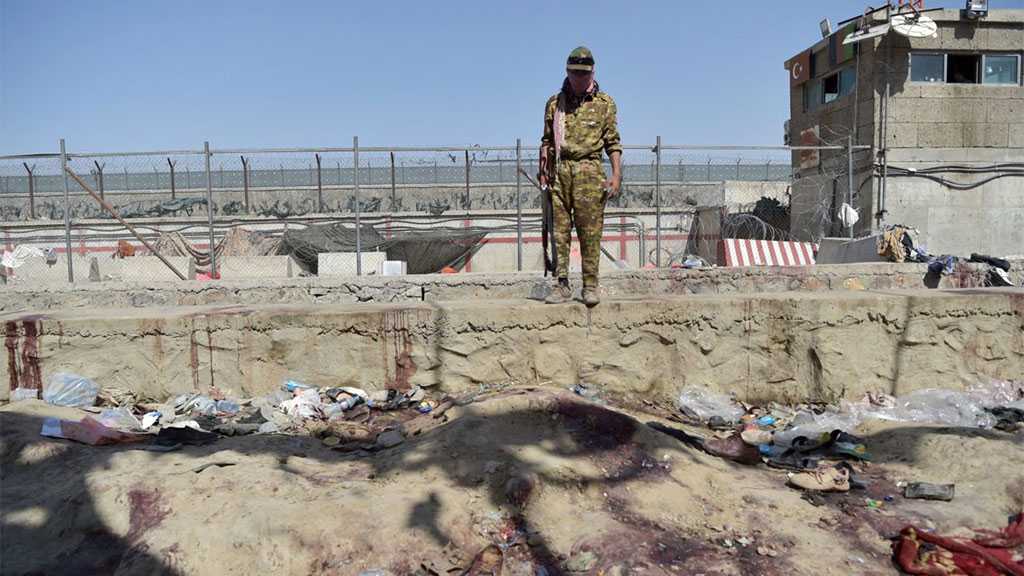
Two suicide bombers and gunmen attacked crowds of Afghans flocking to Kabul Airport on Thursday, August 26.

A “complex attack” on Thursday at the airport in Afghanistan’s capital caused a number of US and civilian casualties, the Pentagon said.

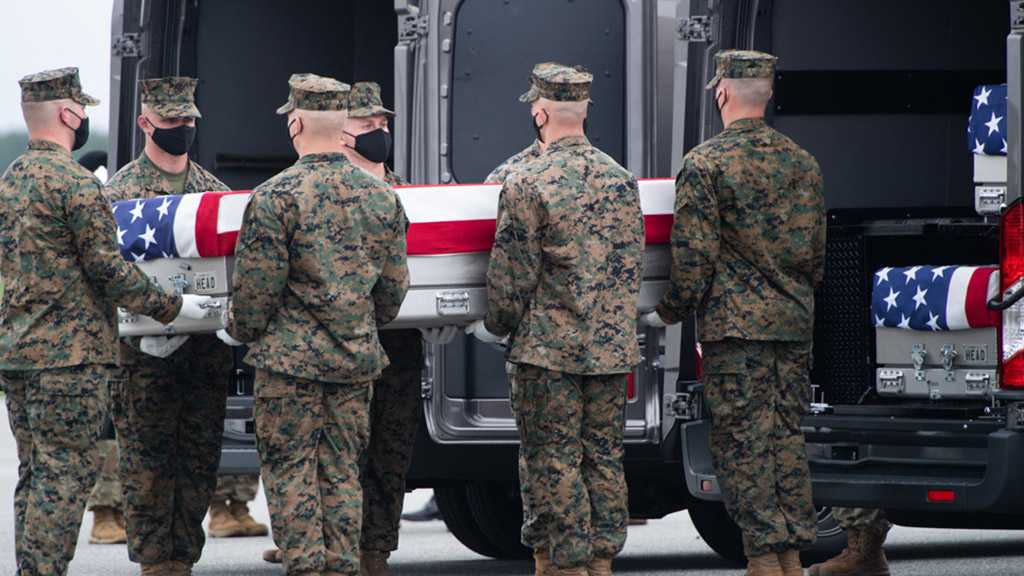
Several US service members were also killed in the attack.


River to Sea Uprooted Palestinian   
The views expressed in this article are the sole responsibility of the author and do not necessarily reflect those of the Blog!

US Global Wars Cost 900k Lives, $8 Trillion Over Two Decades

  September 2, 2021

US Global Wars Cost 900k Lives, $8 Trillion Over Two Decades

By Staff, Agencies

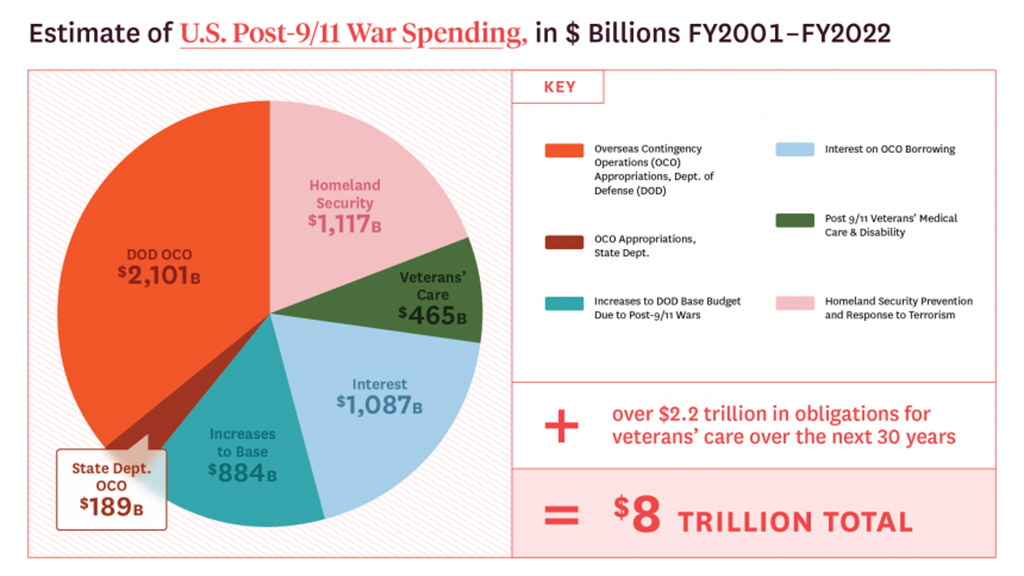
The US so-called war on terror has taken almost one million lives across the globe and cost the country $8 trillion, over the past two decades, says a new report.

A report issued by Costs of War Project at Brown University, at end of the disastrous US withdrawal from Afghanistan, estimated 897,000 to 929,000 people have lost their lives as a direct result of war, whether by bombs, bullets or fire, in some 80 countries.

“The war has been long and complex and horrific and unsuccessful… and the war continues in over 80 countries,” said co-director of Costs of War, Catherine Lutz on Wednesday.

The death toll, includes US military members, allied fighters, opposition fighters, civilians, journalists and humanitarian aid workers, the report said.

The figure, however, does not include the many indirect deaths the war has caused by way of disease, displacement and loss of access to food or clean drinking water.

“The deaths we tallied are likely a vast undercount of the true toll these wars have taken on human life,” said Neta Crawford, another co-founder of the project.

The project also revealed that the wars have cost the US an estimated $8 trillion in Afghanistan, Iraq, Pakistan and Syria.

Of the $8 trillion, $2.3 trillion is attributed to the Afghanistan/Pakistan war zone.

“The Pentagon and the US military have now absorbed the great majority of the federal discretionary budget, and most people don’t know that,” said Lutz.

“Our task, now and in future years, is to educate the public on the ways in which we fund those wars and the scale of that funding,” she added.

Another researcher of the project, Stephanie Savell said, “Twenty years from now, we’ll still be reckoning with the high societal costs of the Afghanistan and Iraq wars – long after US forces are gone.”

US Global Wars Cost 900k Lives, $8 Trillion Over Two Decades
Source: Costs of War Project – Brown University

The United States and its allies invaded Afghanistan in October 2001 as part of the so-called war on terror. While the invasion ended the Taliban’s rule in the country back then, it is now ended with the return of the group to power.

On August 31, the picture of US Army general Chris Donahue appeared on the news as the last US soldier to leave Afghanistan. US media outlets had headlines indicating that the US war in Afghanistan was finally over.

US President Joe Biden also addressed the nation, and defended his decision to withdraw, saying, “I was not going to extend this forever war, and I was not extending a forever exit” and “It’s time to end the war in Afghanistan.”

For the first time in 20 years now, there is no US military presence in Afghanistan, but observers say no troops on the ground does not mean that the US war in the country is over.

They said the withdrawal simply means that one method of waging war in Afghanistan is no longer occurring.


River to Sea Uprooted Palestinian   
The views expressed in this article are the sole responsibility of the author and do not necessarily reflect those of the Blog!

360 NGOs Weirdly Emerged in Lebanon within One Month after Beirut Port Blast

 September 1, 2021

In addition to the political disturbance and the governmental void in Lebanon, foreign powers are trying to add a new element to the confused and confusing scene in the country.

Hundreds of non-governmental organizations have recently emerged in a very small country to carry out weird missions in Lebanon. In light of 2019 protests and Beirut Port blast in 2020, those organizations have received huge financial and logistic aids from foreign powers.

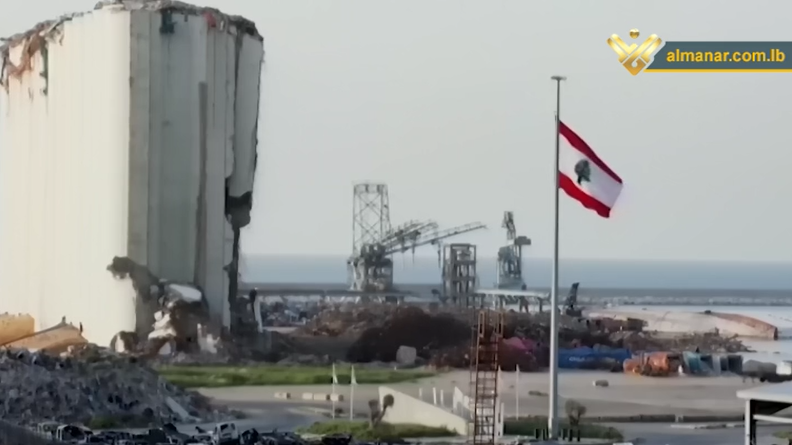
The researcher Ali Mourad told Al-Manar that 360 NGOs emerged within one month just after Beirut Port explosion on August 4. Those organizations applied for the governmental approval during that period.

Ahead of the parliamentary elections next May, those organizations are intensively funded to face the traditional parties in Lebanon. According to Mourad, many corruption files, in which members from those NGOs are involved, will be exposed soon.

Source: Al-Manar English Website


River to Sea Uprooted Palestinian   
The views expressed in this article are the sole responsibility of the author and do not necessarily reflect those of the Blog!

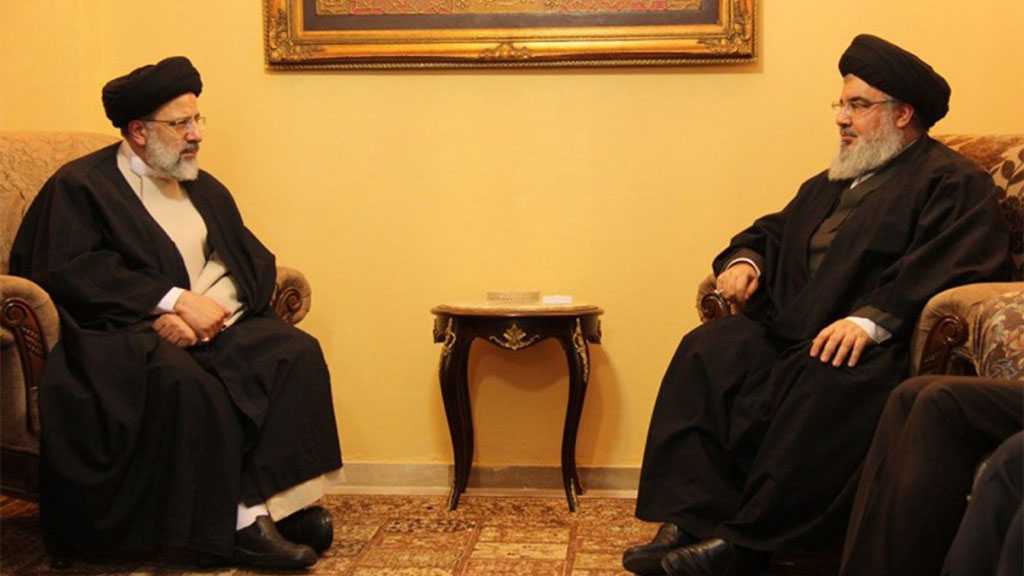
Raisi to ’Dear Brother’ Sayyed Nasrallah: Islamic Resistance An Influential Element in Regional Equations

 September 2, 2021

Raisi to ’Dear Brother’ Sayyed Nasrallah: Islamic Resistance An Influential Element in Regional Equations

Translated by Staff

Iranian President Sayyed Ebrahim Raisi sent a thank you letter to Hezbollah Secretary General His Eminence Sayyed Hassan Nasrallah, which read the following:

The Secretary General of Hezbollah

My dear brother, Hujjatul Islam wal Muslimin, You Eminence Sayyed Hassan Nasrallah, may your blessings perpetuate

I thank you for your special congratulations on electing me as the President of the Islamic Republic, and the honest meanings of love conveyed in your letter.

Hezbollah is the good tree that has borne fruits thanks to your leadership, the resistance of the revolutionary and faithful youths, and the bloods of the righteous martyrs of the resistance… As long as we move forward, the blessings of this tree and its achievements will shine and sparkle more, to be the true hope of the Muslim nation. The power of the Islamic Resistance has made the leading revolutionary youth a nightmare that haunts the Zionist entity. It has also imposed a new deterrence equation on this usurper entity.

The role played by the Islamic Resistance in cementing safety and security in the face of the state terrorism and the Takfiri terrorism has turned this revolutionary tide of resistance into an influential element in regional equations… in which neither any political, military, or security side in the region, nor could any international power ignore its existence.

I am totally confident that, under the political guidance of His Eminence Imam Khamenei “May his shadow endure”, the Islamic Resistance can present a unique model of political work that conforms with the religious principles, in the course of cementing national independence through wide horizons of stability, development, and welfare.

Despite all animosities and grudges trailing it, the geography of the Islamic Resistance is not any more limited with Lebanon and Palestine… additionally, its efforts are not only focused on fighting the oppressors, aggressors, and the disordered… as the Islamic Resistance today has turned into an integrated school that raises the banner of security and stability in Lebanon, and calls for liberating the occupied Palestinian territories, and urges peace based on regional justice.

I ask Allah the almighty for the health, safety, and sublimity of my dear Mujahid brother, and for the good luck, happiness, and prosperity of the Islamic Resistance fighters.

Sayyed Ebrahim Raisi

President of the Islamic Republic of Iran


River to Sea Uprooted Palestinian   
The views expressed in this article are the sole responsibility of the author and do not necessarily reflect those of the Blog!

Why the current hysteria?


Why the current hysteria?

September 01, 2021

by Andrei for the Saker Blog

The current mass hysteria about what just happened in Kabul and the rest of Afghanistan is not dying down.

Why is that so?

I believe that what is happening is this: if we compare the people of the USA to the passengers on the Titanic, we could say that our passengers were listening to the still playing orchestra until their feet got soaked in ice cold water, at which point denial is not an option.

For folks in Zone A, the events in Afghanistan quite literally, unthinkable.  So while some of us saw the writing on the wall already years, if not decades ago, those who lived, mentally, in Zone A what is happening now is impossible.  Impossible but happening.

The nature of what the events in Kabul showed is such, that those living in the mental Zone A cannot accept them.  But neither can they deny it anymore.

  • The Empire died in January 8th 2020
  • The USA (at least as we knew them) died on January 6th 2021

Unthinkable!  Absolutely unthinkable!  My ankles are in ice water, but the Titanic cannot sink!  It’s too big to fail.

If hope dies last, than delusions die just before it.

There is a good chance now “Biden” will not finish his term.  If, and that’s still an “if” (never say never) Kamala Harris replaces Biden, the internal negative reaction inside the USA will be huge.  Bliken looks to me like a tailor with the facial expression “I am so sorry that suit does not sit well on you” – so he is out.  The DefSec is a clown who should resign anyway (responsibility of command).

In the US ruling classes we are now beyond any kind of plan making, this is a “run for your life” kind of situation, and that means “each man for himself”.

Hence the current hysterics.

After them, most US Americans will enter some variant of the five stages of grief before, inevitably, realizing the truth and getting the energy and courage to get back again.

Until then, expect more hysterics and infighting.

Cheers


River to Sea Uprooted Palestinian   
The views expressed in this article are the sole responsibility of the author and do not necessarily reflect those of the Blog!

As ‘Israelis’ Watch Afghanistan, they Remember Lebanon

 September 2, 2021

As ‘Israelis’ Watch Afghanistan, they Remember Lebanon

By Staff, New Lines

In a commentary following the humiliating US defeat and withdrawal from Afghanistan, Neri Zilber wrote for New Lines that senior ‘Israeli’ military officers have looked on at the chaotic and speedy events with a glimmer of recognition.

“Those now leading the ‘Israeli’ military came of age as young soldiers and junior officers during the Zionist entity’s own ill-fated foreign expedition in southern Lebanon during the 1980s and 1990s: A bloody, inconclusive guerrilla war — “‘Israel’s’ Vietnam” it came to be known — that culminated in an equally shambolic withdrawal in May 2000, after two decades of fighting” said Zilber.

While ‘Israel’ isn’t the US, and Lebanon isn’t Afghanistan, the common themes that run through both sets of wars are jarring, especially in the way a Western democracy tries to end a military campaign and how it manages [or not] the fate of local allies who fought alongside it.

“‘Israel’ left Lebanon with its tail between its legs,” Brig. Gen. Eli Amitai, one of the last Zionist commanders in southern Lebanon, told the author. “This wasn’t a withdrawal — it was a house of cards, like dominoes falling.”

The Zionist occupiers started their misadventure in Lebanon. Later on, Hezbollah began firing rockets into northern ‘Israeli’-occupied territories, causing fatalities among Zionist occupiers places in the so-called Security Zone at some two dozen a year. Increasingly, the impression inside the Zionist community was that this was a campaign with no end and with no discernible objective.

The withdrawal started becoming popular and the political tide was shifting.

By early 2000 Hezbollah increased its resistance operations on the Zionist military inside Lebanon.

In the ensuing weeks, the Zionist military began thinning the number of its forces inside the so-called ‘Security Zone’ and handing off outposts to its militia in Lebanon, the so-called ‘South Lebanon Army’ [SLA].

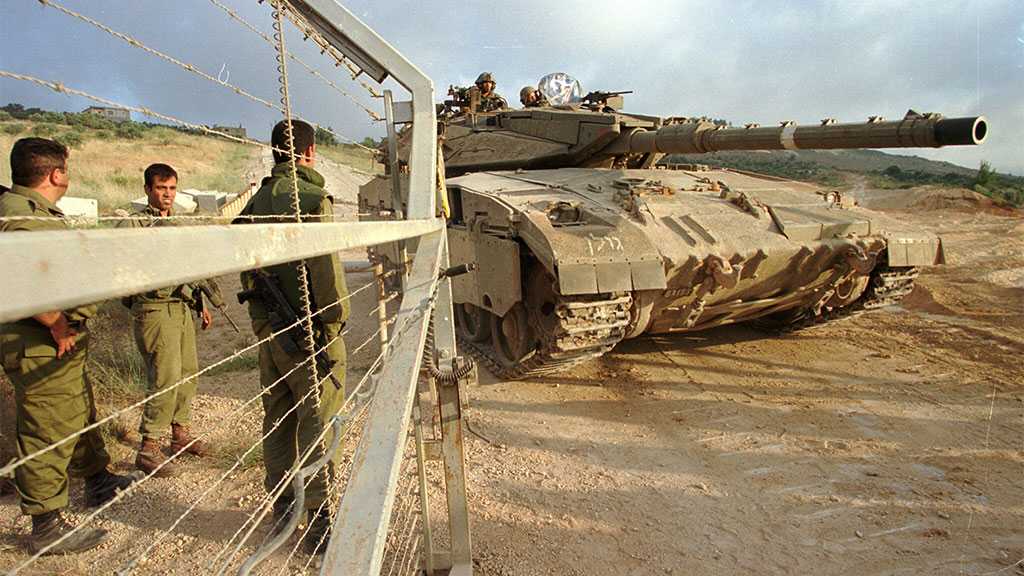
As resistance operations stepped up, then Zionist Prime Minister Ehud Barak was left with no choice: He ordered the military to move up the withdrawal, starting immediately. The last of the Zionist military’s positions was blown up, and soldiers evacuated May 23-24.

Closing the gate behind him, the last ‘Israeli’ soldier to leave Lebanon was the Zionist commander for the ‘Security Zone’, Benny Gantz, the ‘Israeli’ entity’s current war minister. A 20-year scheme of war and occupation was undone in four days.

The question remains, however, whether a dramatically “better” way could have been found. The real lesson of the Zionist regime’s experience in Lebanon is likely that the decision itself to withdraw unleashes its own dynamics.

The hasty withdrawal [“with its tail between its legs”] from Lebanon emboldened Hezbollah and decreased ‘Israeli’ deterrence vis-à-vis its enemies.

Meanwhile, watching events unfold in Kabul over the past two weeks, Zionist officials are less concerned about what it says about the US commitment to the Zionist entity and other close allies. “I’m not sure it’ll have a major impact on us directly and on how the US does things here,” one senior ‘Israeli’ government official told the author when queried regarding Afghanistan. Yet there is concern in some ‘Israeli’ quarters that a similar dynamic will play out among America’s enemies as happened after the Lebanon withdrawal.

“Everyone is looking at these pictures,” a senior IDF official told me.

As Tel Aviv found out the hard way, even after you rightfully end a war, the war never really


River to Sea Uprooted Palestinian   
The views expressed in this article are the sole responsibility of the author and do not necessarily reflect those of the Blog!

George Soros’s dream: To turn China into a neoliberal grabitization opportunity

George Soros’s dream: To turn China into a neoliberal grabitization opportunity

By Michael Hudson and posted with special permission.

In a Financial Times op-ed, “Investors in Xi’s China face a rude awakening” (August 30, 2021), George Soros writes that Xi’s “crackdown on private enterprise shows he does not understand the market economy. … Xi Jinping, China’s leader, has collided with economic reality. His crackdown on private enterprise has been a significant drag on the economy.”

Translated out of Orwellian Doublethink, the “crackdown on private enterprise” means cutting back on what the classical economists called rent-seeking and unearned income. As for its supposed “drag on the economy,” Mr. Soros means the economy’s polarization concentrating wealth and income in the hands of the richest One Percent.

Soros lays out his plan for how U.S. retaliation may punish China by withholding U.S. funding of its companies (as if China cannot create its own credit) until China capitulates and imposes the kind of deregulation and de-taxation that Russia did after 1991. He warns that China will suffer depression by saving its economy along socialist lines and resisting U.S.-style privatization and its associated debt deflation.

Mr. Soros does recognize that China’s “most vulnerable sector is real estate, particularly housing. China has enjoyed an extended property boom over the past two decades, but that is now coming to an end. Evergrande, the largest real estate company, is over-indebted and in danger of default. This could cause a crash.” By that, he means a reduction of housing prices. That’s just what is needed in order to deter land becoming a speculative vehicle. I and others have urged a policy of land taxation in order to collect the land’s rising site value, so that it will not be pledged to banks for mortgage credit to further inflate china’s housing prices.

Warning about the economic consequences of China’s falling birth rate, Soros writes: “One of the reasons why middle-class families are unwilling to have more than one child is that they want to make sure that their children will have a bright future.” This is of course true of every advanced nation today. It is most extreme in the neoliberalized countries, e.g., the Baltics and Ukraine – Soros’s poster countries.

Soros gives his game away by stating that “Xi does not understand how markets operate.” What he means is that President Xi rejects rapacious rent-seeking, exploitative free-for-all, and shapes markets to serve overall prosperity for China’s 99 Percent. “As a consequence, the sell-off was allowed to go too far,” Soros continues. What he means is, too far to maintain the dominance of the One Percent. China is seeking to reverse economic polarization, not intensify it.

Soros claims that China’s socialist policies are hurting its objectives in the world. But what he really is complaining about is that it is hurting America’s neoliberal objectives for how it had hoped to make money for itself off China. This leads Soros to remind Western pension fund managers to “allocate their assets in ways that are closely aligned with the benchmarks against which their performance is measured.” But the tragedy of financializing pensions is that fund managers are rated on making money financially – in ways that hurt the industrial economy by promoting financial engineering instead of industrial engineering.

“Almost all of them claim that they factor environmental, social and corporate governance (ESG) standards into their investment decisions,” Soros writes. At least, that’s what their public relations advisors advertise. Exxon claims to be cleaning up the environment by expanding offshore oil drilling in Guyana, etc. As for “social standards,” the neoliberal mantra is trickle-down economics: by making our stock prices rise, by stock buybacks and higher dividend payouts, we are helping wage-earners earn a pension, even though we are offshoring and de-industrializing the economy, de-unionizing it and “freeing” the economy from consumer and workplace protection laws.

Soros has a radical solution, which he suggests “should obviously apply to the performance benchmarks selected by pensions and other retirement portfolios: … The US Congress should pass a bipartisan bill explicitly requiring that asset managers invest only in companies where actual governance structures are both transparent and aligned with stakeholders.”

Wow. Such a bill would block Americans from investing in many American companies whose behavior is not at all aligned with stakeholders. What proportion: 50%? 75? More?

“If Congress were to enact these measures,” Soros concludes, “it would give the Securities and Exchange Commission the tools it needs to protect American investors, including those who are unaware of owning Chinese stocks and Chinese shell companies. That would also serve the interests of the US and the wider international community of democracies.” So Mr. Soros wants to block the United States from investing in China. He seems not to see that this is President Xi’s objective also: China doesn’t need U.S. dollars, and is in fact de-dollarizing.

George Soros is obviously upset that President Xi is not Boris Yeltsin, and that China is not following the kleptocracy dependency that warped Russia’s economy. Soros thought the ending of the Cold War would simply let him buy up the most lucrative rent-yielding assets, as he has aimed to do in the Baltics and Ukraine. China said “No,” so it is not deemed to be a “market economy,” Soros-style. It has not made its social organization marketable, and has avoided the financial dependency that makes “markets” a vehicle for U.S. control via sanctions and foreign buyouts.


River to Sea Uprooted Palestinian   
The views expressed in this article are the sole responsibility of the author and do not necessarily reflect those of the Blog!

الأميركي ومعادلة «الخسارة الممكن إلحاقها بحزب الله هي أن ندعه يربح»!

أيلول 2 2021

 ناصر قنديل

–

وصل الأميركيون بعد عشرين عاماً إلى قناعة في أفغانستان أن إلحاق الهزيمة بحركة طالبان مستحيل، طالما بقي الأميركيون قوة احتلال في أفغانستان، وبقيت الحكومة التي يرعونها وينفقون عليها المليارات مجرد حكومة عميلة غارقة في الفساد، وأن الإصرار على هزيمة طالبان سيعني منحها فرصة الانتصار الكامل لأنها تستثمر على صفتها المتنامية كقوة مقاومة للاحتلال والحكومة العميلة التي نصبها على أفغانستان، وأن الخسارة الواقعية التي يمكنهم إلحاقها بطالبان تتوقف على أن يتقبلوا هزيمتهم أمامها، وتجرع مرارة كأس الانسحاب من دون شروط، فتنال طالبان هدف الوصول الى الحكم، وتنأى واشنطن بنفسها عن الخسارة الأكبر، وتتقبل التعامل عن بعد مع أفغانستان وهي ترى كيف ستنفتح عليها الصين وروسيا وإيران، وكيف تتبلور صورة جديدة لشمال شرقي آسيا، لم تكن واشنطن ترغب برؤيتها لكنها أقل الخسائر.

–

في التعامل مع حزب الله تبدو الصورة أشد تعقيداً، لارتباط موازين قوة حزب الله بأمن كيان الاحتلال الذي يحتل مكانة أولى في السياسات الأميركية تجاه المنطقة، لكن ذلك لا يخفي الارتباك الأميركي أمام كيفية التعامل مع حزب الله، بعدما صارت الحرب شبه مستحيلة، في ظل قناعة أميركية «إسرائيلية» بأنّ ما لدى حزب الله كاف، في حال اندلاع حرب، لتشكيل تهديد وجودي على كيان الاحتلال، وبذلك تحوّل الرهان على اتباع سياسة تدفع بلبنان نحو الانهيار عبر إيقاف تجاوب الصناديق المالية الدولية التي تحركها القرارات الأميركية مع طلبات التمويل اللبنانية، بعدما أدمن النظام المالي اللبناني عليها وصار مهدّداً بالسقوط بمجرد توقفها، وعبر إيقاف كلّ طريق تمويل جانبي كانت تؤمنه دول الخليج، بما في ذلك حركة السياح الخليجيين والودائع الخليجية نحو لبنان، وكان الرهان أن يقود الانهيار إلى القول لحزب الله إن لبنان سيسقط على رأسه، وإن سلاحه سيفقد قيمته، وإنّ التسليم بجعل هذا السلاح ودوائر تأثيره في موازين القوى مع كيان الاحتلال، موضوعاً للتفاوض هو أقلّ الخسائر لتجنب السقوط الكبير.

–

قالت التجربة الواقعية إن هذا الطريق تحوّل بالنسبة لحزب الله من تحد إلى فرصة من بوابة سفن المحروقات الإيرانية، وهي فرصة مزدوجة، فمن جهة تقول هذه السفن كما قرأ «الإسرائيليون» إنّ حزب الله يتميّز عن الآخرين في الداخل والخارج بأنه لا يكتفي بالأقوال، بل يملك أفعالاً تخفف المعاناة ولو لم تشكل حلاً كاملاً للأزمة، ومن جهة موازية تقول مسيرة السفن إنّ مدى الردع الذي بناه حزب الله على البر يتحوّل على مدى بحري واسع ممتد من موانئ إيران عبر المضائق والبحار إلى الساحل اللبناني، لأنّ أيّ اعتراض لمسار السفن عسكرياً سيؤدي إلى الحرب التي يسعى الأميركي و»الإسرائيلي» إلى تفاديها، وبات واضحاً أن المزيد سينتج المزيد المعاكس، وأن الإصرار على جعل حزب الله يخسر ينتج العكس ويجعله يربح أكثر، كما هو توصيف تجربة ما بعد القرار 1701، الذي بدلاً من أن ينتهي بتقييد قوة حزب الله، نجح حزب الله بمضاعفة قوته في ظل هذا القرار، وحال الرهان على الحرب على سورية وتأثيرها في قوة حزب الله في المنطقة، بحيث تحولت هذه الحرب إلى مصدر لتنامي قوة حزب الله الإقليمية بعدما كان الرهان على جعلها مصدراً لاستنزافه وتشتيت قواه، ولم يعد خافياً أن النقاش الأميركي حول لبنان قد بدأ، وعلامات البداية بما قالته السفيرة الأميركية في بيروت عن نوايا وتوجهات لإعادة النظر بمنظومة العقوبات التي يفرضها قانون قيصر على العلاقات اللبنانية- السورية، لتسهيل استجرار الغاز المصري والكهرباء الأردنية، من جهة، ومن جهة مقابلة ما قاله السيناتور الأميركي كريس ميرفي، والذي يشغل رئيس اللجنة الفرعية للعلاقات الخارجية في مجلس الشيوخ، قبيل زيارة وفد من الكونغرس برئاسته إلى بيروت، “أن الولايات المتحدة يجب أن تخفض أولوية الردع الإيراني وتحث المملكة العربية السعودية على «التصالح» مع نفوذ حزب الله في لبنان”. وهذا النوع من السياسات يعني صرف النظر عن الرهان السابق على إسقاط لبنان أملاً بأن يسقط على رأس حزب الله، تسليم بالقلق من أنّ لبنان يتجه بسبب هذه السياسات للسقوط في حضن حزب الله، كما قال “الإسرائيليون”.

–

تستشعر أميركا أنها تدخل مرحلة جديدة في العالم، ليست فيها فرضيات الربح، بل المفاضلة بين خسارة أعلى وخسارة أدنى، وأن مقابلها أعداء وخصوم دخلوا مرحلة تصبح فيها كل سياسة أميركية تجاههم هي فرصة ربح، وعليها أن تختار بين منحهم فرصة الربح الأعلى أو الربح الأدنى، وبعدما كانت معادلة رابح رابح تعني في الماضي الربح المتبادل لطرفي الصراع عبر التسويات، صارت معادلة رابح رابح تصح في حال خصوم واشنطن، الذين سيربحون مهما كانت عليه الحال في السياسات الأميركية، وفي حالة حزب الله تبدو الأمور شديدة الوضوح، ويبدو أن أفضل فرص إلحاق «الخسارة» بحزب الله هي بتركه يربح من دون مواجهة، فإذا كانت النظرية التي تفسر طلب الاستقالة من الرئيس السابق سعد الحريري قبل سنتين، هي ترك حزب الله يواجه الأزمة وجهاً لوجه، ليدق الباب متوسلاً طلباً للتفاوض، تبدو النظرية السائدة أميركياً اليوم هي تسريع قيام حكومة يبذل حزب الله جهوده لولادتها وتركه يربح بولادتها، بما تعني من زوال لمرحلة الضغوط الشديدة على لبنان، أملاً بأن تحول دون إطلاق يد حزب الله في تقديم نموذج مختلف يظهر للبنانيين إمكانية تقديم حلول، قد تكون الاستثمارات الصينية وجهتها النهائية.


River to Sea Uprooted Palestinian   
The views expressed in this article are the sole responsibility of the author and do not necessarily reflect those of the Blog!

What to expect from Taliban 2.0

 September 08, 2021

What to expect from Taliban 2.0

A wiser, better-traveled and social media-savvy Taliban will strive to avoid the many dire mistakes of its 1996-2001 rule

By Pepe Escobar posted with permission and first posted at Asia Times

The announcement by Taliban spokesman Zahibullah Mujahid in Kabul of the acting cabinet ministers in the new caretaker government of the Islamic Emirate of Afghanistan already produced a big bang: it managed to enrage both woke NATOstan and the US Deep State.

This is an all-male, overwhelmingly Pashtun (there’s one Uzbek and one Tajik) cabinet essentially rewarding the Taliban old guard. All 33 appointees are Taliban members.

Mohammad Hasan Akhund – the head of the Taliban Rehbari Shura, or leadership council, for 20 years – will be the Acting Prime Minister. For all practical purposes, Akhund is branded a terrorist by the UN and the EU, and under sanctions by the UN Security Council. It’s no secret Washington brands some Taliban factions as Foreign Terrorist Organizations, and sanctions the whole of the Taliban as a “Specially Designated Global Terrorist” organization.

It’s crucial to stress Himatullah Akhundzada, the Taliban Supreme Leader since 2016, is Amir al-Momineen (“Commander of the Faithful”). He can’t be a Prime Minister; his role is that of a supreme spiritual leader, setting the guidelines for the Islamic Emirate and mediating disputes – politics included.

Akhunzada has released a statement, noting that the new government “will work hard towards upholding Islamic rules and sharia law in the country” and will ensure “lasting peace, prosperity and development”. He added, “people should not try to leave the country”.

Spokesman Mujahid took pains to stress this new cabinet is just an “acting” government. This implies one of the next big steps will be to set up a new constitution. The Taliban will “try to take people from other parts of the country” – implying positions for women and Shi’ites may still be open, but not at top level.

Taliban co-founder Abdul Ghani Baradar, who so far had been very busy diplomatically as the head of the political office in Doha, will be deputy Prime Minister. He was a Taliban co-founder in 1994 and close friend of Mullah Omar, who called him “Baradar” (“brother”) in the first place.

A predictable torrent of hysteria greeted the appointment of Sirajuddin Haqqani as Acting Minister of Interior. After all the son of Haqqani founder Jalaluddin, one of three deputy emirs and the Taliban military commander, with a fierce reputation, has a $5 million FBI bounty on his head. His FBI “wanted” page is not exactly a prodigy of intel: they don’t know when he was born, and where, and that he speaks Pashto and Arabic.

This may be the new government’s top challenge: to prevent Sirajuddin and his wild boys from acting medieval in non-Pashtun areas of Afghanistan, and most of all to make sure the Haqqanis cut off any connections with jihadi outfits. That’s a sine qua non condition established by the China-Russia strategic partnership for political, diplomatic and economic development support.

Foreign policy will be much more accommodating. Amir Khan Muttaqi, also a member of the political office in Doha, will be the Acting Foreign Minister, and his deputy will be Abas Stanikzai, who’s in favor of cordial relations with Washington and the rights of Afghan religious minorities.

Mullah Mohammad Yaqoob, the son of Mullah Omar, will be the Acting Defense Minister.

So far, the only non-Pashtuns are Abdul Salam Hanafi, an Uzbek, appointed as second deputy to the Prime Minister, and Qari Muhammad Hanif, a Tajik, the acting Minister of Economic Affairs, a very important post.

The Tao of staying patient

The Taliban Revolution has already hit the Walls of Kabul – who are fast being painted white with Kufic letter inscriptions. One of these reads, “For an Islamic system and independence, you have to go through tests and stay patient.”

That’s quite a Taoist statement: striving for balance towards a real “Islamic system”. It offers a crucial glimpse of what the Taliban leadership may be after: as Islamic theory allows for evolution, the new Afghanistan system will be necessarily unique, quite different from Qatar’s or Iran’s, for instance.

In the Islamic legal tradition, followed directly or indirectly by rulers of Turko-Persian states for centuries, to rebel against a Muslim ruler is illegitimate because it creates fitna (sedition, conflict). That was already the rationale behind the crushing of the fake “resistance” in the Panjshir – led by former Vice-President and CIA asset Amrullah Saleh. The Taliban even tried serious negotiations, sending a delegation of 40 Islamic scholars to the Panjshir.

But then Taliban intel established that Ahmad Masoud – son of the legendary Lion of the Panjshir, assassinated two days before 9/11 – was operating under orders of French and Israeli intel. And that sealed his fate: not only he was creating fitna, he was a foreign agent. His partner Saleh, the “resistance” de facto leader, fled by helicopter to Tajikistan.

It’s fascinating to note a parallel between Islamic legal tradition and Hobbes’s Leviathan, which justifies absolute rulers. The Hobbesian Taliban: here’s a hefty research topic for US Think Tankland.

The Taliban also follow the rule that a war victory – and nothing more spectacular than defeating combined NATO power – allows for undisputed political power, although that does not discard strategic alliances. We’ve already seen it in terms of how the moderate, Doha-based political Taliban are accommodating the Haqqanis – an extremely sensitive business.

Abdul Haqqani will be the Acting Minister for Higher Education; Najibullah Haqqani will be Minister of Communications; and Khalil Haqqani, so far ultra-active as interim head of security in Kabul, will be Minister for Refugees.

The next step will be much harder: to convince the urban, educated populations in the big cities – Kabul, Herat, Mazar-i-Sharif – not only of their legitimacy, acquired in the frontlines, but that they will crush the corrupt urban elite that plundered the nation for the past 20 years. All that while engaging in a credible, national interest process of improving the lives of average Afghans under a new Islamic system. It will be crucial to watch what kind of practical and financial help the emir of Qatar will offer.

The new cabinet has elements of a Pashtun jirga (tribal assembly). I’ve been to a few, and it’s fascinating to see how it works. Everyone sits on a circle to avoid a hierarchy – even if symbolic. Everyone is entitled to express their opinion. This leads to alliances necessarily being forged.

The negotiations to form a government were being conducted in Kabul by former President Hamid Karzai – crucially, a Pashtun from a minor Durrani clan, the Popalzai – and Abdullah Abdullah, a Tajik, and former head of the Council for National Reconciliation. The Taliban did listen to them, but in the end they de facto chose what their own jirga had decided.

Pashtuns are extremely fierce when it comes to defending their Islamic credentials. They believe their legendary founding ancestor, Qais Abdul Rasheed, converted to Islam in the lifetime of Prophet Muhammad, and then Pashtuns became the strongest defender of the faith anywhere.

Yet that’s not exactly how it played out in history. From the 7th century onwards, Islam was predominant only from Herat in the west to legendary Balkh in the north all the way to Central Asia, and south between Sistan and Kandahar. The mountains of the Hindu Kush and the corridor from Kabul to Peshawar resisted Islam for centuries. Kabul in fact was a Hindu kingdom as late as the 11th century. It took as many as five centuries for the core Pashtun lands to convert to Islam.

Islam with Afghan characteristics

To cut an immensely complex story short, the Taliban was born in 1994 across the – artificial – border of Afghanistan and Pakistani Balochistan as a movement by Pashtuns who studied in Deobandi madrassas in Pakistan.

All the Afghan Taliban leaders had very close connections with Pakistani religious parties. During the 1980s anti-USSR jihad, many of these Taliban (“students”) in several madrassas worked side by side with the mujahideen to defend Islam in Afghanistan against the infidel. The whole process was channeled through the Peshawar political establishment: -overseen by the Pakistani ISI, with enormous CIA input, and a tsunami of cash and would-be jihadis flowing from Saudi Arabia and the wider Arab world.

When they finally seized power in 1994 in Kandahar and 1996 in Kabul, the Taliban emerged as a motley crew of minor clerics and refugees invested in a sort of wacky Afghan reformation – religious and cultural – as they set up what they saw as a pure Salafist Islamic Emirate.

I saw how it worked on the spot, and as demented as it was, it amounted to a new political force in Afghanistan. The Taliban were very popular in the south because they promised security after the bloody 1992-1995 civil war. The totally radical Islamist ideology came later – with disastrous results, especially in the big cities. But not in the subsistence agriculture countryside, because the Taliban social outlook merely reflected rural Afghan practice.

The Taliban installed a 7th century-style Salafi Islam crisscrossed with the Pashtunwali code. A huge mistake was their aversion to Sufism and the veneration of shrines – something extremely popular in Islamic Afghanistan for centuries.

It’s too early to tell how Taliban 2.0 will play out in the dizzyingly complex, emerging Eurasian integration chessboard. But internally, a wiser, more traveled, social media-savvy Taliban seem aware they cannot allow themselves to repeat the dire 1996-2001 mistakes.

Deng Xiaoping set the framework for socialism with Chinese characteristics . One of the greatest geopolitical challenges ahead will be whether Taliban 2.0 are able to shape a sustainable development Islam with Afghan characteristics.


River to Sea Uprooted Palestinian   
The views expressed in this article are the sole responsibility of the author and do not necessarily reflect those of the Blog!