Friday, 16 October 2020

AIPAC and U.S. elections

 Source

By Richard Anderson Falk

AIPAC is a strong lobbying group that is perceived by the political parties to exert great influence on large Jewish donors and Jewish voters generally. The leadership of both parties competes for AIPAC approval, although as an organization it refrains from political endorsements at national levels. It does have a record of opposing Congressional candidates deemed critical of Israel, making inflammatory accusations that candidates critical of Israel are by that fact alone anti-Semitic. Such a campaign has been launched with at least implicit AIPAC support to defeat the candidacy of Ilhan Omer who is running for reelection in urban Minneapolis.

Part of the effectiveness of AIPAC is due to money and tight organizational discipline, and part of its influence is due to the absence of countervailing Jewish organizations that speak for liberal Zionism and progressive Jews. J-Street has attempted to provide a voice for liberal Zionism in Washington, and has limited success at legislative levels, but not in relation to party platforms or the selection of national candidates. Jewish Voice for Peace is an admirably balanced NGO, but its influence is mainly felt in civil society, where it has created growing support for a just outcome of this struggle that has gone on for a century, which includes supported the realization of the Palestinian right of self-determination whether in the form of a viable separate sovereign state or a single state whose foundational principle is ethnic equality.

Throughout its existence, AIPAC has been and remains subservient to the priorities of the Israeli leadership and consistently supportive of maximal Zionist goals, and hence an adherent of antagonistic attitudes on international law, the UN, and international morality. In my judgment, AIPAC has harmed the role of the U.S. in West Asia and at the UN by pushing American foreign policy in belligerent and regime-changing directions, focusing on heightening the confrontation with Iran, and secondarily, with Turkey, which has intensified regional tensions and dangers of war. The recent sanctions debate in the UN Security Council manifested both U.S. belligerence and its defiance of the views of even its normally close European allies.

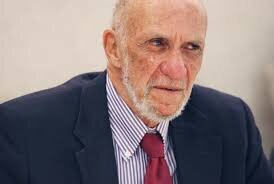
Richard Anderson Falk is an American professor emeritus of international law at Princeton University. In 2008, the United Nations Human Rights Council (UNHRC) appointed Falk to a six-year term as a United Nations Special Rapporteur on “the situation of human rights in the Palestinian territories occupied since 1967”.

RELATED NEWS


River to Sea Uprooted Palestinian   
The views expressed in this article are the sole responsibility of the author and do not necessarily reflect those of the Blog!

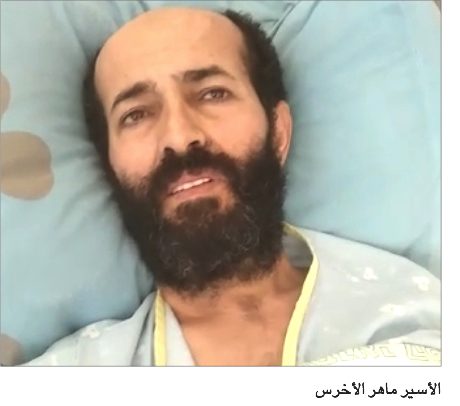
الأسير الأخرس: شكراً للبنان وسورية وروسيا وأحرار العالم لن أنكسر ولن أخضع ولن أسمح للعدو بكسر إرادة شعبي

تحدّث لـ “البناء” في اليوم الـ80 لإضرابه عن الطعام

صابرين دياب – البناء – فلسطين المحتلة

الأسير ماهر الأخرس في يومه الـ80 للإضراب عن الطعام، إنه “يريد الحياة ولا يريد الموت إنما الحياة بحرية وكرامة”. وقد أجرت “البناء” لقاءً مقتضباً معه، حيث كانت لافتة معنوياته والمشرّفة جداً، وقد توجهنا له بالتهنئة على تلك المعنويات والتي ننتظر منها أن ترفع معنويات الضعفاء في الخارج لأنّه هو القوي.

وتوجّه الأخرس برسالته للبنانيين قائلاً: “أنا أحيّي الشعب اللبناني وقيادته الحكيمة، أحيّي أهل جنوب لبنان الذين ذاقوا الأمرّين على يد العدو نفسه الذي نمرّ على يديه الآن، أحيّي كلّ أحرار لبنان الذين رفضوا أن يعيشوا تحت ذلّ هذا الاحتلال، وأحيّي كلّ أحرار العالم، وأحيّي كلّ حرّ في العالم رفض الذلّ والإهانة والاستكبار…”

وتابع الأسير أبو إسلام بالقول: “أحيّي كلّ من تضامَن معي لأنّ قضيتي تمثل كلّ شعبي”، مؤكداً عزمه ورفضه الانكسار والخضوع لإرادة العدو بالقول: “لن يكسروني وهم يحاولون كسري لكسر إرادة شعبي وأنا أدافع عن نفسي ولا أريد الحرية لنفسي”.

وأكد الأسير الأخرس رغبته في الحياة الكريمة الخالية من الذلّ والهوان، قائلاً: “والله أني أحب الحياة ولا أحب الموت لكن إنْ فرضوا عليّ الموت فهو أفضل لي من أن أعيش ذليلاً تحت بساطهم كما يُقال”.

كما توجه الأسير بكلمة للشعب السوري والقيادة الوطنية السورية وللجيش السوري قائلاً: “أشكر سورية على موقفها المشرّف لسنوات طويلة أمام المؤامرة التي مرّت عليها ممن يسّمونهم المجموعات الإسلامية والإسلام بريء منها. وأحيّي سورية وجيشها الوطني الذي قاتل هؤلاء المجرمين التكفيريين وأعوانهم الذين يدعمونهم من الخارج والدول الكبيرة”.

وتابع: “إن شاء الله تنتصر سورية عليهم وتتطهّر أرضها منهم وأن يكون الشعب السوري والحكومة السورية والجيش السوري داعماً لقضيتنا دائماً كما كان وشكراً لهم شكراً لهم على كلّ مواقفهم المشرّفة”.

كما تطرّق الأخرس لروسيا وشعبها وشكرهم لأنهم تدخلوا في قضيته قائلاً: “أشكر روسيا وشعبها والرئيس بوتين العظيم على وقفتهم معي لأني لم أجد حتى الفلسطينيين الذين يسمّون أنفسهم وزراء لم يفعلوا حتى كلمة بينما ننشكر روسيا وسفيرها الذي تدخل في قضيتي ولا يزال يتدخل وشكراً لهم كثيراً”.


River to Sea Uprooted Palestinian   
The views expressed in this article are the sole responsibility of the author and do not necessarily reflect those of the Blog!

Dozens of Palestinian Prisoners Launch Hunger Strike in Solidarity with Fellow Inmates

 October 15, 2020

60 Palestinian prisoners in Israeli jails today launched an open-ended hunger strike in solidarity with three of their fellow inmates held in solitary confinement, according to the Palestinian news agency WAFA.

The spokesman for the Commission of the Detainees and Ex-Detainees Affairs, Hassan Abed-Rabbo, told WAFA that some 60 prisoners affiliated with Fatah and the Popular Front for the Liberation of Palestine (PFLP) began the hunger strike in protest of the Israeli Prison Service’s (IPS) decision to continue to hold three leaders of the prisoners’ movement incommunicado.

The prisoners’ leaders were identified as Wael al-Jaghoub, Hatem Qawasmi, and Omar Khurwat, with Qawasmi and Khurwat held in isolation for six months.

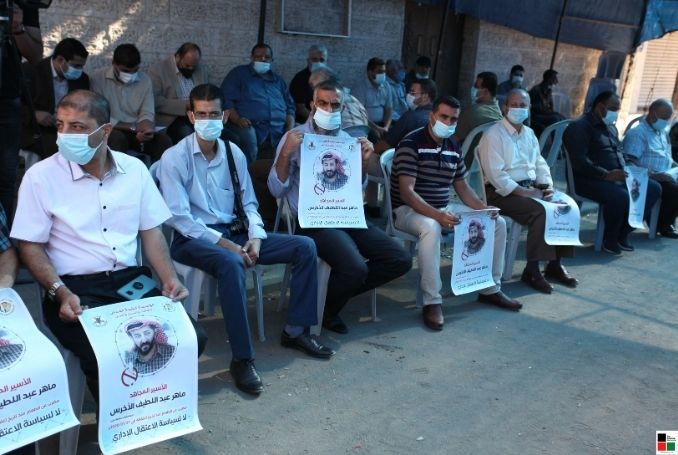
This came two days after 30 other prisoners started an open-ended hunger strike in solidarity with Maher al-Akhras who has been on hunger strike for 81 days in protest of his administrative detention.

Abed-Rabbo pointed out that more prisoners were expected to join the strike.

(WAFA, PC, Social Media)

River to Sea Uprooted Palestinian   
The views expressed in this article are the sole responsibility of the author and do not necessarily reflect those of the Blog!

Turkey Allied with Azerbaijan Against Armenia in Nagorno-Karabakh

 By Stephen Lendman

Global Research, October 15, 2020

Months of planning preceed preemptive wars.

Since July, Turkish and Azeri troops participated in joint air and ground military exercise.

Most often these type drills are defensive. They’re conducted to prepare for possible attacks on the territory of participating nations.

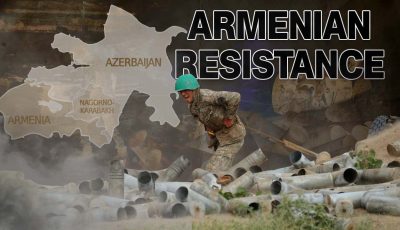
Azeris launched war on Armenia in Nagorno-Karabakh (NK below), its campaign for control of the enclave backed and likely encouraged by Ankara.

The same likely holds for the US and UK, supporting the agenda of one country over another and their own interests.

Most often when conflicts erupt, their fingerprints are all over them, especially in the Middle East and Central Asia.

Why would the US and Britain support Turkey over Armenia? One reason could be to draw Moscow into the conflict.

Along with Russia and four other regional countries, Armenia is a Collective Security Treaty Organization (CSTO) state.

If the territory of any CSTO member state is attacked by a foreign power, other alliance members are obligated to provide military support.

NK is not Armenian territory, so conflict there doesn’t require other CSTO countries to aid Yerevan militarily.

Turkey is a NATO member.

Despite uneasy relations between Ankara and the West, notably the US and UK, alliance Article 4 calls for members to “consult together whenever, in the opinion of any of them, the territorial integrity, political independence, or security of any” is threatened.

Article 5 considers an armed attack (real or otherwise) against one or more members, an attack against all. Collective self-defense is called for.

Based on what’s now known, Turkey helped Azerbaijan prepare for preemptive war on Armenia in NK.

Preparation included training, supplying Baku with heavy weapons, providing command and control involvement, along with deploying jihadist fighters to aid Azeri troops.

If Turkish commanders are harmed by ongoing fighting, accidentally or otherwise, Ankara could retaliate against Armenia militarily.

Azerbaijan borders Russia. Iran borders Armenia and Azerbaijan.

The US and maybe Britain would very much like to draw Iran into the NK conflict.

If fighting spills into its territory, its forces might respond in self-defense, giving the US and UK a pretext to terror-bomb Iranian targets.

On Wednesday, Armenia’s Defense Ministry accused Azerbaijan of striking military equipment in its territory.

Saying Armenian forces reserve the right to respond in kind against an Azeri military facility risks expanding conflict to the territory of both countries.

Under this scenario, Russia could get involved to defend its CSTO partnered state — potentially drawing the US, UK, and other NATO countries into the conflict, Turkey as well more directly.

The above is a nightmarish scenario Moscow and Tehran very much want avoided.

During a Wednesday interview on the NK conflict, I was asked what more can Russia do resolve it.

Major differences between Armenia and Azerbaijan on the one hand, Yerevan and Ankara on the other, are longstanding.

Resolving them to halt fighting might be beyond the diplomatic skills of any negotiator.

I responded to the question, saying Sergey Lavrov’s strategy may be to keep talking to his counterparts and leadership of both warring sides — in person as much as possible, otherwise by phone, urging a halt in fighting.

Protracted conflict in NK assures losers, not winners, he understands.

With Turkish help, Azeri forces could gain an advantage over Armenia’s military.

Baku perhaps could drive Yerevan out of NK partially or entirely.

If fighting continues for weeks or months, mass slaughter and destruction in the enclave will leave no prize for either side to claim.

The prevailing side, if things turn out this way, will have countless numbers of corpses to bury and likely billions of dollars needed for reconstruction.

On Wednesday, Lavrov proposed deploying Russian peacekeepers to monitor things along the line of control in NK.

He clarified his proposal, saying “not even peacekeepers (should participate in the verification mechanism), but military observers that would be sufficient.”

“We believe that it would be perfectly correct if these were our military observers, but the final word should be with the sides (of the conflict).”

“Of course, we proceed from the fact that both Yerevan and Baku will take into account our amicable relations, relations of strategic partnership.”

Stressing his country’s close ties to Turkey, Azeri President Ilham Aliyev said Baku, Yerevan, and Ankara would have to agree on Russia’s involvement this way.

On October 14, Armenian Prime Minister Nikol Pashinyan said Azerbaijan wants total control of NK, calling the situation on the ground “very difficult.”

He claimed Baku and Ankara do not want “to stop their aggression.”

NK defense forces accused Azerbaijan of “violat(ing) the humanitarian truce, targeting peaceful settlements,” adding:

“In addition to shelling the city of Martakert, the enemy (Baku) also employed air force (warplanes) in the northeastern direction.”

Azerbaijan’s Foreign Ministry accused Armenia of shelling the town of Tartar, causing at least seven casualties.

It’s unclear if they’e civilians or military personnel.

Lavrov criticized Turkey’s involvement in the fighting.

Calling a military solution unacceptable, he said “(w)e do not agree with the position voiced by Turkey, that was also expressed several times by (Azeri) President Aliyev,” adding:

“It is not a secret that we cannot agree with a statement that a military solution to the conflict is permissible.”

International Committee of the Red Cross director for Eurasia Martin Scheupp called on both sides to halt fighting.

“We project that at least tens of thousands of people across the region will need support over the next few months,” he stressed, adding:

“Civilians are dying or suffering life-changing injuries.”

“Homes, businesses and once-busy streets are being reduced to rubble.”

“The elderly and babies are among those forced to spend hours in unheated basements or to leave their homes for safety.”

Russian Defence Minister Sergey Shoigu spoke to his Armenian and Azeri counterparts, urging them to observe ceasefire.

Conflict is in its third week with no signs of either side backing down.

Russia continues trying to get them to halt fighting and discuss differences diplomatically.

Ceasefire agreed to by their foreign ministers in Moscow didn’t take hold.

On Tuesday, Armenia’s Defense Ministry said Azeri forces launched attacks in “three to four directions, and battles continued throughout the day.”

“Particularly intense fighting occurred in the northern sector.”

“It was probably among the most difficult battles in this war.”

Fighting could continue for weeks if Russia’s best efforts fail to get both sides to observe ceasefire agreed to last Friday.

*

Note to readers: please click the share buttons below. Forward this article to your email lists. Crosspost on your blog site, internet forums. etc.

Award-winning author Stephen Lendman lives in Chicago. He can be reached at lendmanstephen@sbcglobal.net. He is a Research Associate of the Centre for Research on Globalization (CRG)

His new book as editor and contributor is titled “Flashpoint in Ukraine: US Drive for Hegemony Risks WW III.”

http://www.claritypress.com/LendmanIII.html

Visit his blog site at sjlendman.blogspot.com.The original source of this article is Global ResearchCopyright © Stephen Lendman, Global Research, 2020

River to Sea Uprooted Palestinian   
The views expressed in this article are the sole responsibility of the author and do not necessarily reflect those of the Blog!

تحفظ على الوفد التفاوضيّ لا رفع غطاء

ناصر قنديل

طرح البيان الصادر عن قيادتي حزب الله وحركة أمل حول تشكيل الوفد التفاوضي، ولهجته الشديدة والعالية السقف، أسئلة كبرى، بعدما ورد في البيان أن الفريقين، “انطلاقا من التزامهما بالثوابت الوطنية ورفضهما الانجرار الى ما يريده العدو الإسرائيلي من خلال تشكيلته وفده المفاوض والذي يضمّ بأغلبه شخصيّات ذات طابع سياسي واقتصادي، يعلنان رفضهما الصريح لما حصل واعتباره يخرج عن إطار قاعدة التفاهم الذي قام عليه الاتفاق وهو مما يضرّ بموقف لبنان ومصلحته العليا، ويشكل تجاوزاً لكل عناصر القوة لبلدنا وضربة قويه لدوره ولمقاومته وموقعه العربيّ ويمثل تسليماً بالمنطق الإسرائيليّ الذي يريد أي شكل من أشكال التطبيع «.

السؤال الأساسي الذي طرحه البيان هو هل يشكل هذا الموقف مدخلاً لرفع الغطاء عن الوفد المفاوض، والقول بأنه لا يمثل الإجماع اللبناني، وأن هذا الوفد لم يعُد يحظى بدعم اللبنانيين وخصوصاً فريق المقاومة، الذي يشكل السند الرئيسي للموقف التفاوضي ومصدر القوة الأول الذي يفرض على مفاوضي العدو إقامة ألف حساب لموقف لبنان؟ والجواب الأكيد هو أن الثقة بثوابت التفاوض الحاكمة التي يمثلها موقف الجيش اللبناني، وموقف رئيس الجمهورية، لم تتزعزع، ولا شيء يدعو لفتح المجال لتساؤلات حول شكوك بوجود نيات مقلقة تطال مصير المفاوضات وقوة وثبات الوفد اللبناني عند الحقوق اللبنانية. وهذا هو الأمر الرئيسي الذي يبنى عليه أي تفكير افتراضي برفع الغطاء، غير وارد على الإطلاق بالنسبة للمقاومة وفقاً لمعطياتها وتاريخ علاقتها بالرئيس والجيش.

الموقف الذي تضمنه البيان يطرح سؤالاً ثانياً عن أهدافه طالما أنه صدر فجراً قبيل بدء الجلسة الأولى للتفاوض، وبعد فشل المساعي السياسية والاتصالات التي استمرت حتى ساعة صدور البيان لتعديل الوفد التفاوضي وفقاً للملاحظات التي تضمّنها البيان، وهو هنا إعلان تحفظ استباقيّ لبدء التفاوض، له أهداف عدة ليس بينها رفع الغطاء. فهو أولاً إعلان مباشر موجه للطرف الآخر في التفاوض، وللوسيط الأميركي الذي شارك في صياغة اتفاق الإطار التفاوضي، والراعي الأممي، اللذين يعلمان عن كثب حجم التشبث الذي كان في خلفية التوصل للإطار التفاوضي لتثبيت الطابع العسكري التقني للمفاوضات، وتبديد أي فرضيات وتفسيرات للتعديل الذي مثلته تشكيلة الوفد على ما تضمنه اتفاق الإطار، ووضعه في إطار التنازلات وقد كان الضغط الأميركي ومن خلفه السعي الإسرائيلي لفرض تفاوض اقتصادي، ثم مختلط عسكري اقتصادي، وقد تم رفضها بشدة الى حد كاد هذا التشبث يطيح بفرصة ولادة اتفاق الإطار. وهذا مغزى الإشارة إلى أن تشكيلة الوفد خالفت الاتفاق الإطار والخشية من أن توحي بتنازل لتشكل تسليماً بالمنطق الإسرائيلي للتفاوض، وقد وصلت الرسالة وتحقّق الهدف، أما الرسالة الثانية فهي للداخل اللبناني سواء لمن يشكلون بيئة المقاومة لتبديد أي خشية من أن تؤدي العلاقات السياسية الداخلية سبباً لتهاون فريق المقاومة بتثبيت قواعد صارمة لملف التفاوض. وبالتوازي للفريق المناوئ للمقاومة، بأن المقاومة وبيئتها يدعمان تفاوضاً يؤدي لتثبيت الحقوق اللبنانية وانتزاعها، والمقاومة التي فرضت قوتها مبدأ تسليم الأميركي والإسرائيلي بالتفاوض، وبشروطه لاحقاً، ليست ذاهبة، ولن تسمح بالذهاب، إلى أبعد من ذلك.

انتهت الجلسة الأولى، وكان أداء الوفد اللبناني مشرّفاً بالشكل والتفاصيل والمضمون، والموقف الذي تضمّنه البيان سيبقى حاضراً. وهو سقف إضافي وضمان مضاعف لحذر يزيد تشدد الوفد التفاوضي بوجه أي محاولة توريط بالانزلاق إلى مطبات يرسمها الأميركي ويرغبها ويطلبها الإسرائيلي ويسعى إليها. وهو ضمان معاكس لتجنيب الوفد مزيداً من الضغوط والمطالبات، في ظل وجود موقف بهذه القوة وهذا الوضوح، من الفريق الذي يعرف الأميركي والإسرائيلي أن التفاوض الذي صار هدفاً، لم يكن وارداً إلا عندما هدّدت المقاومة باستهداف أي محاولة استثمار في حقول الغاز اللبنانية، وأن التفاوض صار قدراً بهدف تفادي هذه المخاطرة، وأن مسار التفاوض سيظل محكوماً بطيف هذه المقاومة، التي لا يفيد الأميركي والإسرائيلي تجاهل سقوف وحدود تعاملها مع الملف التفاوضي، كما لا تفيدُه ممارسة ضغوط على الوفد المفاوض أو سوء فهم شروط تركيبته، طالما أن شكل التفاوض ونتائجه جلسة بجلسة، موضوعات سينالها التقييم محطة بمحطة، وسيواكبها موقفاً تلو موقف، وستفقد كل الضغوط قيمتها عندما تصطدم بالسقوف التي ترسمها الحقوق اللبنانية الثابتة، عبر مفاوضات غير مباشرة، ممنوع توظيفها واستثمارها بأي إشارة توحي بالتطبيع أو الاعتراف بشرعية كيان الاحتلال، أو بأي بُعد سياسي.

فيديوات متعلقة

مقالات متعلقة


River to Sea Uprooted Palestinian   
The views expressed in this article are the sole responsibility of the author and do not necessarily reflect those of the Blog!

Thursday, 15 October 2020

A New Wall For A New Cold War?

Source

12 OCTOBER 2020

A New Wall For A New Cold War?

The head of the prestigious Munich Security Conference warned late last month against efforts to “build a new ‘wall’ between Russia and the West” in light of the Navalny incident and the many other disagreements between both sides, and while it’s unrealistic to expect another Berlin Wall-like physical division of Europe, there’s no denying that their different governing models have created a sharp split across the continent.

Welcome To The New Cold War

Last month will probably go down in history as the moment when the New Cold War became impossible to deny. The US has been attempting to rekindle its fading unipolarity since the onset of its coordinated Hybrid War “containment” campaigns against Russia and China in 2014, which only intensified in the aftermath of Trump’s election. The leaders of all three countries addressed the UN General Assembly (UNGA) by video in a series of speeches that laid bare these two sides’ contradictory assessments of contemporary global affairs and related visions of the future. Their keynote speeches were preceded by UN Secretary General Guterres warning the world that “We must do everything to avoid a New Cold War.” Trump obviously didn’t listen to him, which is why the head of the prestigious Munich Security Conference (MSC) followed up that global representative’s warning with his own at the end of that historic week cautioning that “It will result in nothing if we now try to build a new ‘wall’ between Russia and the West because of Navalny and other sad and terrible events.” It’s his dramatic words that form the basis of the present article.

The US’ Hybrid War On Russia

There are many angles through which the ongoing global competition can be analyzed, but the prospect of a new wall of some sort or another accompanying the New Cold War in Europe is among the most intriguing. The MSC head presumably isn’t implying the creation of a 21st-century Berlin Wall, but seems to be speaking more generally about his fear that the growing divisions between Russia and the West will soon become irreversible and potentially even formalized as the new status quo. The author wrote last month that “The US’ Hybrid War On Russian Energy Targets Germany, Belarus, And Bulgaria”, pointing out how even the partial success of this latest “containment” campaign will greatly advance the scenario of an externally provoked “decoupling” between Russia and the West. That would in turn help secure American grand strategic interests in the continent. This “decoupling” would reverse the progress that was made in bilateral relations since the end of the Old Cold War up until the Ukrainian Crisis. Taken to its maximum extent, the spiritual return of the Berlin Wall seems almost inevitable at this point.

Governing Differences

It’s true that the border between the NATO countries and Russia’s CSTO (which importantly includes Hybrid War-targeted Belarus) represents the modern-day military equivalent of the “Iron Curtain”, but the situation isn’t as simple as that. While military divisions remain (albeit pushed much further eastward over the past three decades), ideological and economic ones are less apparent. Russia no long ascribes to communism but follows its own national variant of democracy within a mostly capitalist system, thus reducing the structural differences between itself and its Western counterparts. Unaware observers might wonder why there’s even a New Cold War to begin with when considering how much both sides have in common with one another, but that overlooks their contradictory worldviews which lie at the heart of their mutual suspicions. Russia strongly believes in safeguarding its geopolitical and domestic socio-political sovereignty so it accordingly follows a more conservative path whereas Western countries mostly submit to the US’ authority and generally regard their liberal position on many social issues as universalist.

The End Of The “Great Convergence”

The reason why the thaw in Russian-Western relations failed to achieve the “Great Convergence” that Gorbachev originally hoped for was because the US wanted to impose its will onto Russia by treating it as just another vassal state that would be forced to follow its lead abroad and accept extreme liberal social mandates at home instead of respecting it as an equal partner. Nevertheless, this policy was actually surprisingly successful all throughout the 1990s under Yeltsin, but its fatal flaw was that it went much too far too quickly by attempting to dissolve the Russian Federation through American support for Chechen separatist-terrorist groups. That inadvertently provoked a very patriotic reaction from the responsible members of Russia’s military, intelligence, and diplomatic bureaucracies (“deep state”) who worked together to ensure their motherland’s survival in the face of this existential crisis. The end result was that Putin succeeded Yeltsin and subsequently set about to systematically save Russia. This took the form of stabilizing the security situation at home in parallel with reasserting Russia on the world stage.

The “Russian Model”

Putin, though, was always a liberal in the traditional (not post-modern) sense. He never lost his appreciation for Western civilization and sincerely wanted to complete Gorbachev’s hoped-for “Great Convergence”, though only on equal terms and not as a US vassal. Regrettably, the Russian leader’s many olive branches were slapped away by an angry America which feared the influence that a powerful “moderately liberal” state could have on its hyper-liberal subjects. All of Putin’s efforts to take the “Great Convergence” to its next logical step of a “Europe from Lisbon to Vladivostok” failed for this reason, after which an intense information warfare campaign was waged to portray Russia was a “radical right-wing state” even though it was never anything of the sort. This modus operandi was intended to prevent Europe’s indoctrinated masses from ever countenancing whether a “moderate” alternative exists whereby they’d preserve their domestic and international sovereignty despite remaining committed to traditional liberal values, just like the “Russian model” that Putin pioneered. Understandably, this would pose a serious threat to American strategic interests, hence the campaign against it.

The Rise Of America’s Russian Rival

As time went on, the “Russian model” was partially replicated in some of the countries of Central Europe such as Poland and even within the US itself through Trump’s election, though this wasn’t due to any so-called “Russian meddling” but was a natural result of the ideological interplay between radical and “moderate” liberals. It just so happened that Russia was the first country to implement this model not because of anything uniquely “Russian” within its society, but simply as the most pragmatic survival plan considering the extremely difficult circumstances of the 1990s and attendant limits on the country’s strategic maneuverability during that time. It was considered by the patriotic members of Russia’s “deep state” to be much too risky to reverse the direction of post-Soviet reforms, hence why the decision seems to have been made to continue with them, though doing all in the country’s power to regain control over these processes from Russia’s Western overlords in order to protect national geopolitical and domestic socio-political interests. This struggle led to Russia becoming an alternative pole of influence (in the governance sense) within the “Greater West”, rivaling the US.

Hillary & Trump: Same Anti-Russian Strategy, Different Infowar Tactics

With this insight in mind, the New Cold War was inevitable in hindsight. Had Hillary been elected, then the infowar narrative would have focused more on Russia’s different “values”, seeking to present its target as a “threat to the (hyper-liberal) Western way of life”. Since Trump’s America interestingly enough shares many of the same values as contemporary Russia does, however, the focus is on geopolitical differences instead. From the prism of International Relations theory, Hillary’s angle of attack against Russia would have been more liberal whereas Trump’s is more realist. Either way, both American leaders (theoretical in the first sense and actual in the second) have every reason to fear Russia since it challenges the US’ unipolar dominance in Europe. Hillary would have wanted to portray Russia as being outside of the “Western family of nations”, though Trump can’t convincingly do that given his much more high-profile provocations against obviously non-Western China, hence why he’s basically competing with Russia for leadership of the “moderate” liberal model of Western civilization, ergo accepting their structural similarities but instead over-hyping their geopolitical differences.

Post-Soviet Russia’s Irreversible Impact On Western Civilization

Taking all of the aforementioned into account, it’s understandable why the US wants to build a “new wall” in Europe by “decoupling” its NATO-captive subjects from Russia through a series of Hybrid Wars, though the genie is out of the bottle since some Central European countries like Poland the even the US itself under Trump already implement elements of the “Russian model”. This means that while the physical separation of Russia and Europe along military, geopolitical, and soon perhaps even economic-energy lines is practically a fait accompli at this point, the ideological-structural influence emanating from Moscow is impossible to “contain”. No “wall” will reverse the impact that the “Russian model” has had on the course of Western civilization, though it should be remembered that the aforesaid model wasn’t part of some “cunning 5D chess plan” but an impromptu survival tactic that was triggered in response to American unipolar-universalist soft power aggression on post-Soviet Russia. It’s not distinctly “Russian”, which is why the hyper-liberal Western elite fear it so much since they know very well that it could take root in their countries too, just like in Poland and the US.

Concluding Thoughts

The typical Western mind is conditioned to think in terms of models, especially historical ones, which is why they imagine that the New Cold War will closely resemble the Old Cold War simply because of the effect that neuro-linguistic programming has on their thought process. This explains why the MSC head warned against the creation of a “new wall” between Russia and the West even though no such scenario is realistic. No physical barrier like the Berlin Wall will ever be erected again, and even though the geopolitical, military, and perhaps even soon economic-energy fault lines between them might become formalized through the impending success of the US’ “decoupling” strategy, this will not address the root cause of the New Cold War which lies with Russia’s “moderately liberal” model of state sovereignty in contrast to the US’ (former?) hyper-liberal universalist one of state vasselhood. It’s this difference that’s primarily responsible for every other dimension of their competition since it placed Russia on the trajectory of supporting a Multipolar World Order instead of the US’ hoped-for Unipolar World Order.

By Andrew KorybkoAmerican political analyst


River to Sea Uprooted Palestinian   
The views expressed in this article are the sole responsibility of the author and do not necessarily reflect those of the Blog!

مفاوضات ترسيم الحدود البحرية بين كمائن العدو وأسلحة لبنان

العميد د. أمين محمد حطيط

لا شك بأنّ لبنان بحاجة الى فضّ النزاع حول المنطقة الاقتصادية الخالصة العائدة له في حدّها الجنوبي للانصراف الى التنقيب عن ثروته من النفط والغاز في حقول يتوقع وجودها في الجزء الجنوبي من تلك المنطقة. وهو نزاع نشأ بعد أن اكتشف الجيش اللبناني خطأ ارتكبه الوفد الذي أوفده رئيس الحكومة آنذاك فؤاد السنيورة الى قبرص في العام 2007 وتمثل في وضع العلامة الأساس في النقطة 1 بينما كان يجب ان يضعها في النقطة 23 كما اكتشف الجيش اللبناني عند التدقيق عندما أحيل إليه الملف بعد أكثر من سنة من تنظيمه.

ولا شكّ بأنّ فضّ النزاع على الحدود بين الدول يكون على وجهين اثنين وفقاً لقواعد القانون الدولي العام، اما رضاءً أو قضاءً. ويتشكّل الرضا والتوافق عبر تفاوض مباشر او غير مباشر بينهما ويعمل به تطبيقاً لقاعدة أساسية في القانون الدولي العام تقول «الدول ترسم حدودها»، أما الفصل القضائي فيكون عبر لجوء الدول المتنازعة الى التحكيم أو القضاء الدولي، وهو مسار يشترط لتطبيقه توافق الأطراف على اختيار المحكم أو المحكمة، مع التزام متبادل بينهما على تنفيذ قرار المحكم أو المحكمة، أو قدرة أحد الطرفين على إلزام الآخر بتنفيذ القرار وأخيراً استيفاء الطرفين شروط التقاضي الدولي الى الحدّ الذي قد يفسّر قانوناً بأنه نوع من الاعتراف المتبادل بينهما بالشخصية المعنوية العمومية لكلّ منهما.

ولا شك بأنّ لبنان لم يلجأ إلى خيار الضرورة بالتفاوض غير المباشر وبوساطة أميركية وبرعاية من الأمم المتحدة إلا لأنه رأى أنّ هذه الطريق هي الأقلّ خطراً وسوءاً والأكثر ضماناً للوصول الى نتيجة ممكنة التطبيق مع ضمان لتنفيذ ما قد يتمّ التوصل اليه وذلك لأنّ «إسرائيل» لا تنصت ولا تخضع لأيّ هيئة دولية او قانون دولي وهي محترفة في الخروج على القانون والتملص من تنفيذ قرارات المجتمع الدولي بما في ذلك مجلس الأمن الدولي او الجمعية العامة للأمم المتحدة او المحاكم والهيئات القضائية الدولية، ولكن الأمر يختلف معها اذا تدخلت أميركا وضمنت الوصول الى اتفاق وضمنت تنفيذه فهنا قد يكون الحصول على نتائج إيجابية اكثر احتمالاً.

بيد انه وبقطع النظر عن الملاحظات والثغرات التي سجلناها على ما تمّ التوصل اليه مع أميركا من «تفاهم إطار إطلاق المفاوضات» غير المباشرة مع «إسرائيل» (وُصف خطأ بانه اتفاق )، وبعيداً عن النقاش الذي يطول حول الموضوع شكلاً ومبنى وأصول وإجراءات، خاصة أننا لسنا من المشجّعين على هذا السلوك أصلاً وقد رفضناه في العام 2000 وتمكنّا من فرض صيغة غير تفاوضية تمكننا من استعادة حقوقنا، بقطع النظر عن كلّ ذلك بعد تحفظنا عليه، فإنّ لبنان وصل الى ما وصل اليه وسيجد نفسه اعتباراً من 14\10\2020 تاريخ بدء المفاوضات المنوّه عنها أمام تجربة جديدة ليست بالسهلة، ولكنه ليس بالضعيف في خوضها، وأعود وأكرر رغم عظيم ملاحظاتنا على المرحلة التي أفضت الى ما أصبحنا عليه، فإنّ الوفد اللبناني بحاجة الآن الى كلّ الدعم والمؤازرة الوطنية، لأنّ التماسك الوطني مع الوفد المفاوض من شأنه أن يشحذ إرادة الوفد ويرفع من معنوياته ويؤكد ثقته بنفسه ويشجعه على التمسك بصلابة بالحقوق الوطنية دونما خضوع لأيّ ضغط من أيّ نوع كان وبما قد يستفيد منه العدو.

انّ الوفد العسكري الوطني اللبناني يستحق كلّ الدعم في تجربته الجديدة في مفاوضاته غير المباشرة مع العدو الإسرائيلي لتمكينه من الإمساك ثم استعمال مصادر القوة التي تجعله أشدّ بأساً وأرسخ موقفاً، وقد سجلت كما بات معلناً مواقف رسمية وتبلورت توجيهات قاطعة بأنّ الوفد العسكري اللبناني المطعم بتقنين ومستشارين غير سياسيين وغير دبلوماسيين قد نظم نفسه وحدّد برنامج عمله في المهمة التي كلف بها على أسس واضحة حدّد بيان قيادة الجيش معالمها عندما ذكر بأنّ قائد الجيش في توجيهاته للوفد أكد على «أنّ التفاوض بهدف ترسيم الحدود البحرية على أساس الخط الذي ينطلق من نقطة رأس الناقورة براً والممتد بحراً تِبعاً لتقنية خط الوسط، من دون احتساب أيّ تأثير للجزر الساحلية التابعة لفلسطين المحتلة استنادا الى دراسة أعدتها قيادة الجيش وفقا للقوانين الدولية. وعليه سيكون الوفد اللبناني محكوماً في عمله بما يلي:

1

ـ المهمة والموضوع. انّ لبنان في مفاوضاته غير المباشرة مع العدو الإسرائيلي سيلتزم بموضوع واحد هو ترسيم الحدود البحرية وفضّ النزاع حول ملكية المساحة المحدّدة بـ 862 كلم2 والمتشكّلة من مثلث رؤوسه الثلاثة هي النقاط 1-23-B1 وانّ مهمة الوفد هي حصرية لا يمكن ان تتعدّى ذلك فلا مسّ بالحدود البرية المرسمة ولا حديث من قريب او بعيد بأيّ شأن ذي طبيعة سياسية.

2

ـ الشكل: لن يكون هناك حوار او اتصال اونقاش مباشر بين الوفدين اللبناني والإسرائيلي حتى ولو جمعهما سقف واحد، والأفضل ان يكون كلّ وفد في غرفة منفصلة عن غرفة الوفد الآخر ويكون الوسيط ساعياً بينهما، كما أنه لن يكون هناك توقيع على محضر واحد يجمع توقيع الطرفين بل سيكون هناك محضر من نسختين متطابقين يوقع إحداهما لبنان مع الراعي والوسيط والأخرى توقعها «إسرائيل» مع الراعي والوسيط أيضاً.

3

ـ قيود التفاهم حول إطار المفاوضات. بات واضحاً للوفد اللبناني من خلال التوجيهات التي تلقاها من رؤسائه في المستويين السياسي والعسكري، انّ ما أغفل ذكره في تفاهم الإطار او ما استعمل في غير محله في هذا التفاهم ليس من شأنه ان يشكل قيوداً للوفد او ينقص قيمة الحق اللبناني به بل للوفد التمسك بمرجعياته القانونية وبالمصطلحات العسكرية كما وبالحقوق اللبنانية المكتسبة.

4

ـ الإجراءات التمهيدية: بات واضحاً لا بل بديهيا انّ لبنان لن يناقش الترسيم البحري قبل ان يصحّح موقع النقطة ب 1 ويعيدها الى مكانها على صخرة رأس الناقورة بعد ان عبثت بها «إسرائيل» وحركتها شمالاً لمسافة 25م وترسيم الحدود البحرية يلزمه ان تكون النقطة الأساس المبتدأ على البرّ في الموقع الذي حدّدته اتفاقية «بولييه نيوكمب»، ولن يتوقف الوفد اللبناني عند الجدل حول ترسيم في البر متلازم مع ترسيم في البحر لأنّ الترسيم البري غير مطلوب كونه موجود أصلاً منذ العام 1923، ولكن الوفد سيكون ملزماً بإزالة العدوان عن الحدود البرية ليتمكّن من الانطلاق الصحيح نحو ترسيم الحدود البحرية التي تبدأ من النقطة ب 1 بعد إعادتها الى موقعها الصحيح حسب الاتفاقية.

5

ـ ردّ الفعل على احتمال خروج المفاوضات عن مسارها. لن يكون الوفد اللبناني ملزماً بالبقاء في مجلس التفاوض بل سيكون ملزماً بالخروج منه عندما يلمس خروجاً عن الموضوع او خرقًا للشكل او تهاوناً او انحيازاً من قبل الراعي او الوسيط، وسيتذكر الوفد اللبناني دائماً انه ليس ضعيفاً ففي يديه أوراق قوة أساسية تؤكد على الحقوق التي يطالب بها ويريد تكريسها بالاستناد الى تلك الوثائق التي تبدأ باتفاقية «بوليه نيوكمب» 1923 وبعدها اتفاقية الهدنة 1949 وبعدها القرار 425 ثم قانون البحار 1984 وأخيراً القرار 1701، وثائق تشكل أسلحته القانونية التي ترفدها القوة المادية التي تشكلها ثلاثية الشعب والجيش والمقاومة.

6

ـ وسيتذكر الوفد عند كلّ خطوة او كلمة او أشارة او تلميح انّ العدو سينصب له الكمائن والأفخاخ وسيستدرجه الى ما لا يريد او الى ما لم يفوّض به من قبل السلطة السياسية فهو يسعى الى التطبيع والاعتراف به والتأسيس لسلام الإذعان مع التنازل عن الحقوق، وكلّ ذلك سيكون مرفوضاً من قبل لبنان ووفده المفاوض الذي سيتمسك بكون المفاوضات هي مفاوضات غير مباشرة لترسيم حدود بحرية حصراً بين لبنان وفلسطين التي يحتلها كيان العدو الإسرائيلي الذي لا يعترف به لبنان ليس أكثر.

أستاذ جامعي ـ باحث استراتيجي


فيديوات متعلقة


مقالات متعلقة


River to Sea Uprooted Palestinian   
The views expressed in this article are the sole responsibility of the author and do not necessarily reflect those of the Blog!

Ansarullah Releases Two US Prisoners in Exchange For 200 Yemeni Detainees

 Ansarullah Releases Two US Prisoners in Exchange For 200 Yemeni Detainees

By Staff, Agencies

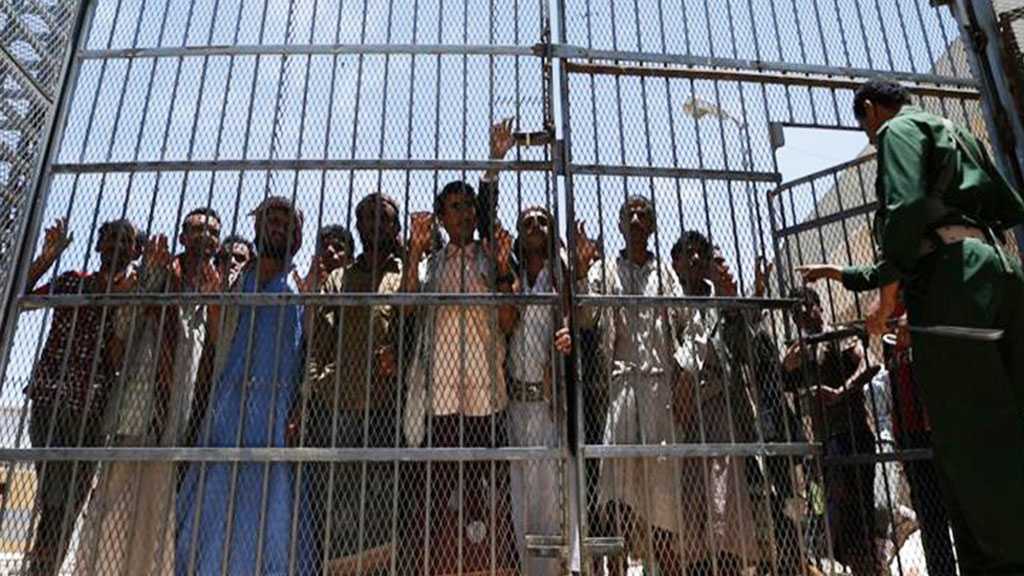
Yemen’s popular Ansarullah revolutionary movement released two American prisoners as part of a deal that also secured the return of more than 200 Yemenis stuck in Oman as a result of the Saudi-led blockade of the war-torn country.

The Wednesday swap apparently involved Saudi Arabia and Oman, which frequently plays the role of broker in the region.

Kash Patel, a deputy assistant to US President Donald Trump, who worked on the agreement, identified the freed US nationals as Sandra Loli, a “humanitarian worker” who was held in Yemen for three years, and Mikael Gidada, a “businessman” detained for a year, the Wall Street Journal reported on Wednesday.

The remains of a third American captive, Bilal Fateen, was also being sent back to the United States.

Little had been known about the Americans held in Yemen until the announcement of their release.

Ansarullah leaders have previously announced detentions of foreign humanitarian workers found to be spying and diverting some of the badly needed aid sent into impoverished Yemen.

Ansarullah also reported receiving some 240 Yemenis from Oman.

The movement’s spokesman Mohammed Abdulsalam tweeted that the Yemenis returned to the capital, Sana’a, included people who had either been stranded in Oman or were casualties of the Saudi-led war who had traveled there during UN-brokered peace talks held in Sweden in 2018.

The Yemeni official said Riyadh had blocked the Yemenis from returning home after they arrived in Oman two years ago.

“Today, we were pleased to receive some wounded brothers who were stuck outside the country as a result of the brutal and continuous siege on our country. The coalition obstructed their exit and entry, one of its war crimes against Yemenis,” Ansarullah tweeted.

He said the United Nations also failed to bring the wounded Yemenis back from Oman in line with the agreement reached in Sweden.

The exchange came a day before a planned UN-brokered exchange of more than 1,000 prisoners between the Ansarullah and Yemen’s former Riyadh-allied government.

The UN had said in September that the two sides agreed to exchange 1,081 conflict-related prisoners, including Saudi and Sudanese troops fighting on the side of the Saudi-led coalition of aggressors.

Saudi Arabia and a number of its regional allies launched the devastating war on Yemen in March 2015 in order to bring former president Abd Rabbuh Mansur Hadi back to power.

The US-based Armed Conflict Location and Event Data Project [ACLED], a nonprofit conflict-research organization, estimates that the war has claimed more than 100,000 lives over the past five years.

Saudi Arabia and the United Arab Emirates have purchased billions of dollars’ worth of weapons from the United States, France and the United Kingdom in their war on Yemen.

Riyadh and its allies have been widely criticized for the high civilian death toll resulted from their bombing campaign in Yemen.

The UN says over 24 million Yemenis are in dire need of humanitarian aid, including 10 million suffering from extreme levels of hunger.

Related Videos

Related News

River to Sea Uprooted Palestinian   
The views expressed in this article are the sole responsibility of the author and do not necessarily reflect those of the Blog!

3 weeks to election: No 2nd household stimulus? No mass protests? No pulse?

3 weeks to election: No 2nd household stimulus? No mass protests? No pulse?

October 14, 2020

By Ramin Mazaheri for the Saker Blog

If you had said back in May that the CARES Act would be the only fiscal stimulus in the world’s richest country surely you would have responded, “But then by October America will certainly be in pandemonium?”

Well… where’s the pandemonium?

I can best explain this American exceptionalism – that they go postal only when they should not, instead of when they should – via this October 3rd report I did for PressTV.

For those of you who don’t want to deal with the “inexplicable” glitches and stops which somehow “magically” afflict every PressTV report I try to watch from inside the US, here’s the recap: in Chicago, which is just a half-million people short of being a megacity, only about 150 people showed up for an anti-unemployment demonstration even though half the country is affected by either joblessness or under-employment.

In urban areas like San Francisco, with a metro area half the size of Chicago’s, you have 11 jobless for every one job opening, and yet… 150 people here?

As a reporter I just give the facts… and then, as I refuse to be a “useful idiot”, I also openly interpret the facts: the fact is, Americans have no idea what they are doing when it comes to politics. If you ask them whether the problem is either ignorance or apathy, they respond, “I don’t know and I don’t care.”

The problem, as I am a staunch believer in (non-Obama-related types of) hope, is not with the average Joe but with the Washington elite, who even if they came from an average Joe quite obviously do not care about the average Joe anymore.

Of course, as the currently-under-confirmation-proceedings Supreme Court Justice nominee Amy Coney Barrett proves, those tapped for the most truly elite spots are rarely from average Joe areas: Barrett would be, incredibly, the first justice who did not spend most of her life on the East Coast. To give an objective point to those in favor of the “Americans are ignorant” theory: mention “East Coast bias” to an American and they will think you are talking about how ESPN keeps talking about the Patriots and Yankees.

But the bewildering lack of any 2nd stimulus for households so emphatically proves that the Democratic leadership does not care about the average Joe (Republicans only care about an average Joe if said Joe is willing to reject all government assistance in every form) that even CNN had to hold Nancy Pelosi’s feet to the fire for the first time since Trump won the Republican primaries in 2016. Pelosi accused Wolf Blitzer and CNN of – now get ready to laugh – being “apologists for Republicans” simply because he pressed her on the bewildering and poverty-fuelling lack of a 2nd household stimulus.

LOL – maybe the Russians have flipped Wolf, eh Nancy? Putin’s power is limitless!

No, it’s just bewildering to even the CNN journalists as to why Democratic leadership refuses to alleviate massive economic suffering. I explained it here: No 2nd stimulus? Time to admit both parties want to destroy the average American, for those in the inexperienced youth class who can’t believe that Democrats could be as merciless and self-interested as those aren’t-they-just-ghastly conservatives.

Is this another boring article of me complaining about the super-failures of the super-capitalist imperialist US in 2020?

No, it’s to point out how wrong I am. Way back on May 28, in an article titled August 1: when the unemployment runs out and a new era of US labor battles begin I correctly opined, “I think there is no chance that the US 1% authorises an extension of the $600 per week extra past August 1 – it was totally out of keeping with US ideology to begin with, and yet another indicator of the hysteria which swept the US regarding coronavirus.” But – as I often can’t keep my mouth shut – I foolishly added, “Buy some popcorn and watch the show – August 1 is going to see public labor-related rage for the first time since the 1930s.”

So it’s less than three weeks until the election – where’s the labor-related rage?

I was in Kenosha, Wisconsin, again yesterday – the place is still totally boarded up, which seems rather much to me: There hasn’t been any widespread social rebellion since the end of August, anywhere. This article asks why that is?

The answer is the super-failures of the super-capitalist imperialist US that the US system produces tremendous political apathy, which has a side effect of increasing political ignorance.

As proof: I cannot express how pleas to “get out and vote” amazingly outnumber the advertisements for McDonalds, Coke and Beyonce combined – that seems like an impossibility, no? But such is the enormous political inertia here.

This apathy results in cases such as the nation’s third-largest city mustering only 150 people, 95% of whom were under 30, as the youth class has not relinquished that unique American optimism which eventually buckles under the reality encountered outside of school of the super-failures of the super-capitalist imperialist US.

If the trend of calm continues, the 2020 record will have to state that it was only Black-related issues which caused public protest despite the massive, massive societal chaos.

We can perhaps explain this by noting that the only truly successful protests in the US since nearly 1917 (the first year of socialist success) have been for Black-related issues. Stick with what works, I guess?

Indeed, the last grassroots, from-the-streets victory by White Americans was in 1920 – the year that anti-alcohol Prohibition was passed, as was women’s suffrage. Ever since socialism became a real thing it should be clear that White Americans are not about to march under anything resembling that successful banner, as it obviously opposes US domination.

Don’t tell me that Baby Boomers stopped Vietnam – the Vietnamese resistance booted out the invaders in 1975, not Western hippies. Americans didn’t flee until 8 full years after the “Summer of Love”.

2020 proves what we have known since those fun, marijuana-fuelled protests of the 1960s: White Americans simply don’t protest.

Republicans don’t protest, period. After all, they are status quo-lovers, and they aren’t about to muck up the system which they believe is the best in the world and always will be.

Democrats aren’t protesting because their elite leadership in 2020 has kept them overflowing with fear (corona), anger (Trump), identity politics (Black Lives Matter (which is not nonsense to Black people, of course, but which is inherently a minority-based movement as opposed to a broad, class-based, majority movement), and – above all – the rabid, competitive, evangelical fervor to win short-term growth via any means necessary in November’s elections.

But the bottom line is: for decades Americans have insisted on the status quo and violently rejected the call for any sort of revolutionary change in the economic and political structures upon which several centuries of Western culture has been based (bourgeois, aristocratic liberalism (for those who can afford it)). They have said to any nation or person – if you are not totally with us in maintaining these structures which preserve the status quo then we are totally against you.

Indeed, this is why I have always thought that “Civil War II is coming” worries are rather nonsense and impossible: Americans, for myriad reasons – ranging from fear of each other to smug complacency to apocalyptic apathy – simply don’t upset the apple cart. They are propagandised to always be selling apples, no matter how rotten they obviously are.

So there are no protests and I am proved wrong. But it is my job to opine, and thus to look foolish because – as a journalist – my learning is done in public.

But hope springs eternal – perhaps in the coming days Americans will indeed harness their widespread inner pandemonium against a leadership class which can’t even suggest that they eat cake amid massive hunger and shortages.

Ramin Mazaheri is currently covering the US elections. He is the chief correspondent in Paris for PressTV and has lived in France since 2009. He has been a daily newspaper reporter in the US, and has reported from Iran, Cuba, Egypt, Tunisia, South Korea and elsewhere. He is the author of Socialism’s Ignored Success: Iranian Islamic Socialism’as well as ‘I’ll Ruin Everything You Are: Ending Western Propaganda on Red China’, which is also available in simplified and traditional Chinese.

River to Sea Uprooted Palestinian   
The views expressed in this article are the sole responsibility of the author and do not necessarily reflect those of the Blog!